
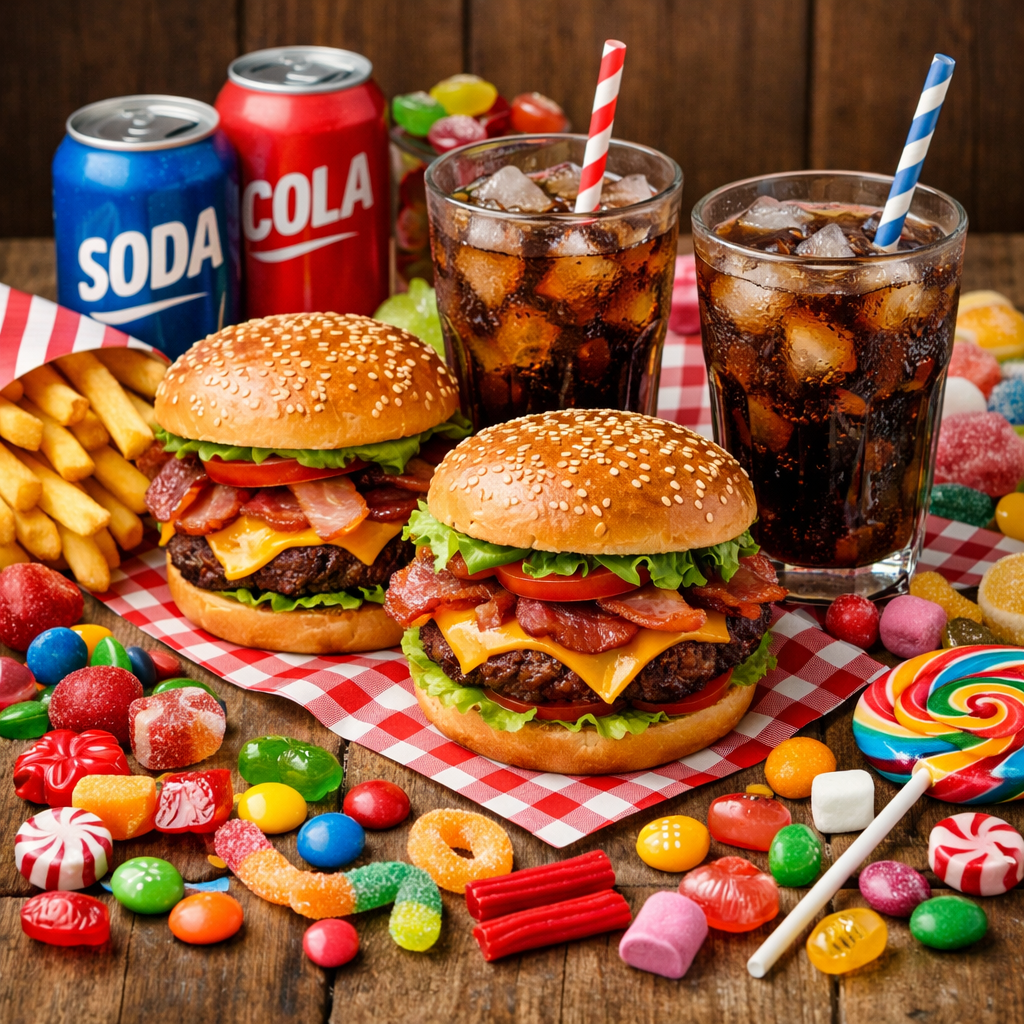
It is often said that the type of food we eat is the key to our longevity. All over the world, our Creator has provided various foods that were intended to nourish the human body and support a longer life. The evil people who run the world were aware of this, which is why they poisoned them and invested heavily in advertising that appealed to consumers’ minds and emotions to sell us poisoned foods.
In the United States alone, diet-related chronic diseases have contributed to a major share of mortality over the past 50 years. Throughout this time, cardiovascular disease has remained the leading cause of death, accounting for tens of millions of deaths from both heart disease and stroke.
Many people today continue to die prematurely as a result of the foods they consume regularly. Much of what is available in modern food systems contains ingredients that are toxic to the human body.
The following list presents 10 foods commonly consumed in America that are harmful to the human body, along with information about how they are produced and the ingredients that make them are potentially dangerous to human health.
10. Oils, Margarine, and Hydrogenated Fats
Industrial oils and margarine were introduced as low-cost, long-lasting alternatives to traditional animal fats such as butter. Margarine was first developed in the 19th century by French chemist Hippolyte Mège-Mouriès as a substitute for butter, and over time it became widely adopted in commercial food production. Companies such as Procter & Gamble (through Crisco), Cargill, Unilever, and Conagra Brands helped scale production, making these fats common in households, packaged foods, and the fast-food industry due to their low-cost and long shelf stability.
Unlike traditional fats, most industrial vegetable oils are highly refined. They are extracted from seeds such as corn, soybeans, and canola using high heat, chemical solvents, and industrial processing methods. In earlier decades, many of these oils were partially hydrogenated to remain solid at room temperature. This process produces trans fats, which alter the chemical structure of fat in a way that the human body processes inefficiently.
Research has shown that trans fats can raise LDL (“bad”) cholesterol while lowering HDL (“good”) cholesterol. Over time, this imbalance is associated with increased inflammation and a higher risk of cardiovascular disease. Furthermore, when certain refined vegetable oils, particularly those high in omega-6 fatty acids, are consumed in excess, they may contribute to an imbalance in the body’s inflammatory response.
Today, these oils are widely used across the food system, appearing in fast food, packaged snacks, baked goods, and restaurant meals. Their popularity is driven not by nutritional value, but by their low cost, long shelf life, and stability during high-temperature cooking. As a result, they are frequently consumed, often unknowingly, as part of ultraprocessed diets.
9. Ultra-Processed Snacks and Packaged Junk Foods: Chips, Crackers, and Instant Treats
Ultra-processed snacks are not designed to nourish the human body but to maximize taste, convenience, and repeat consumption. In the United States, some of the most common products in this category include potato chips like Lay’s and Ruffles, cheese puffs like Cheetos, packaged cookies such as Oreos and Chips Ahoy, fruit snacks, and flavoured crackers.
These products are manufactured by large food corporations such as Frito-Lay (PepsiCo), Mondelez International, Campbell Soup Company, and Kellogg Company. These companies have built their business models around producing foods that remain stable for months or years while dominating supermarket shelves and replacing traditional home-prepared meals.
Ultra-processing removes natural nutrients and replaces them with refined ingredients such as starches, sugars, and flours, along with industrial seed oils, salt, artificial flavours and colors, flavour enhancers, and preservatives like BHT, BHA, and TBHQ. These compounds improve shelf life, texture, and taste consistency, making the products highly palatable and long-lasting.
From a biological perspective, these foods are rapidly broken down into glucose, leading to spikes in blood sugar and increased insulin demand. Over time, this pattern is associated with chronic inflammation, metabolic strain, and disruption of normal gut function.
At a population level, frequent consumption of ultra-processed snacks has been associated with increased risk of obesity, type 2 diabetes, cardiovascular disease, digestive disorders, and metabolic syndrome. In the United States, more than 40% of adults are classified as obese, with tens of millions living with diabetes, and heart disease remaining the leading cause of death.
Despite these well-documented risks, these products remain widely consumed due to their low cost, aggressive marketing, and engineered combination of sugar, salt, and fat, which strongly stimulates the brain’s reward system and encourages repeated consumption.
8. Breakfast Cereals and “Fortified” Foods
The breakfast cereal and fortified food industry began as a dietary reform movement in the late 19th century. Figures such as John Harvey Kellogg promoted grain-based meals as a lighter alternative to traditional breakfasts. This concept grew into a large-scale commercial industry as businesses recognized the opportunity to mass-produce and market these products to an expanding population.
By the early 20th century, companies such as the Kellogg Company, General Mills, and Post Holdings came to dominate the market. Through industrial expansion and partnerships with major grocery retailers, cereals became a daily staple in American households. Products such as Corn Flakes, Frosted Flakes, Cheerios, Lucky Charms, and Froot Loops gained widespread popularity and cultural recognition.
As production increased, the composition of these cereals changed significantly. Whole grains, which naturally contain fibre and nutrients, are often refined during processing, removing much of their original nutritional value. Manufacturers then fortify the product with synthetic vitamins and minerals, allowing packaging to present a healthier image than the underlying formulation may suggest.
The grain is further processed through milling, heating, and shaping into flakes or puffs. To improve taste and appearance, cereals are commonly coated with sugar, artificial flavours, and colouring agents. Many also contain added sugars or high-fructose corn syrup, artificial colours and flavourings, preservatives such as BHT, and refined grains lacking natural fibre.
Because these products are highly refined, they are rapidly broken down into glucose after consumption, leading to spikes in blood sugar and increased insulin demand. Over time, this pattern is associated with metabolic strain and a higher risk of obesity, type 2 diabetes, and other metabolic disorders.
Childhood obesity has increased significantly in the United States, with highly processed and sugary foods playing a major role. Many cereals are designed to appeal to children through bright colours, cartoon branding, and sweet flavours, which can shape taste preferences early in life and encourage long-term preference for high-sugar foods.
Fortification allows manufacturers to highlight added vitamins and minerals on packaging, even when the original whole grain has been heavily refined. While synthetic nutrients are added back, this does not restore the grain to its original nutritional state. As a result, the finished product may appear nutritionally superior, despite being significantly more processed and less nutrient-dense than its natural form.
7. Frozen and Packaged Convenience Foods
The rise of frozen and packaged convenience foods marked a major shift in eating habits in the United States. Traditionally, most meals were prepared at home, but over time, packaged and frozen foods became increasingly common.
This transformation began in the early 20th century as food preservation technologies improved, but it accelerated in the 1950s with the introduction of “TV dinners” by companies such as Swanson. These meals were designed to be heated and eaten in front of a television, reflecting a faster, more convenience-driven lifestyle. By the 1970s and 1980s, frozen pizzas, boxed meals, and instant foods had become widely available in American households.
Major food corporations such as Nestlé, Conagra Brands, and Kraft Heinz expanded this market by producing frozen dinners, microwaveable meals, instant noodles, and packaged snacks at scale. Unlike fresh food, which spoils naturally, these products are engineered to last for months or even years. This is achieved through intensive processing and the use of sodium, preservatives, artificial flavours, stabilizers, and refined ingredients, which help preserve taste, texture, and appearance over time.
While this improves convenience, it also alters the nutritional value of the diet. Frequent consumption of these foods can contribute to higher sodium intake, which is associated with increased blood pressure, and refined carbohydrates that can cause spikes in blood glucose and increased insulin demand. At the same time, the body must process various additives and preservatives, while many of these meals provide calories with relatively low levels of essential nutrients.
6. Fried and Deep-Fried Fast-Food: Chicken, Fries, and Nuggets
The rise of fried fast foods such as chicken, nuggets, and fries began in the mid-20th century alongside the expansion of quick-service restaurants. Early pioneers like Colonel Harland Sanders of KFC helped popularize fried chicken as a mass-market product, with chains such as KFC (Yum! Brands) and Popeyes (Restaurant Brands International) expanding rapidly across the United States.
These foods were primarily intended for taste, convenience, and repeated consumption. Fried chicken and nuggets are typically made from chickens raised on industrial farms, which are often given antibiotics and feed additives to help them grow faster.
The breading and batter commonly include refined flours, salt, flavour enhancers such as monosodium glutamate (MSG), and stabilizing agents. Deep-frying increases fat absorption and can introduce harmful compounds depending on oil type and repeated use.
To maintain shelf stability and texture, additives such as TBHQ (tertiary butylhydroquinone) and sodium phosphates are used. With long-term consumption, these compounds have been associated with stress on the liver, kidneys, and overall metabolic function.
Frequent consumption of fried fast foods has been linked in research to increased risk of obesity, type 2 diabetes, cardiovascular disease, chronic inflammation, and metabolic syndrome. In the United States, diet-related illnesses associated with ultra-processed and fried foods contribute to over 150,000 deaths annually, according to CDC estimates, with disproportionate impact on African American and low-income communities.
Over time, heavy reliance on these foods can weaken the body’s ability to maintain metabolic balance. The combination of industrial farming practices, chemical additives, and aggressive marketing has made fried fast foods one of the most widely consumed drivers of diet-related disease.
5. Red and Processed Meat
The modern meat industry in the United States grew alongside industrialization in the late 19th and early 20th centuries, with early hubs such as Chicago’s Union stockyards transforming agriculture into large-scale industrial production.
Today, a few corporations dominate the production, processing, and distribution of red and processed meat, including Tyson Foods, Hormel Foods, Smithfield Foods, and JBS. These companies manage extensive supply chains, from livestock production to packaging and supermarket distribution, making processed meats widely available across the country.
Processed meats such as hot dogs, sausages, bacon, ham, and deli meats undergo extensive processing to improve flavour, extend shelf life, and increase profitability. Common additives include sodium nitrite, nitrates, salt, sugar, smoke flavouring, and fillers, which help preserve appearance and texture but introduce compounds the body must metabolize and detoxify.
When consumed, these compounds can have several health effects. Nitrites may form nitrosamines, which are known carcinogenic compounds linked to colorectal cancer. High sodium levels can contribute to increased blood pressure and strain the heart and kidneys, while saturated fats raise cholesterol levels, increasing the risk of atherosclerosis and cardiovascular disease. Chronic exposure to these compounds may also promote inflammation, which is associated with a weakened immune response.
The World Health Organization classifies processed meat as a Group 1 carcinogen, meaning there is sufficient evidence linking it to cancer in humans. High consumption has been associated with colorectal cancer, stomach cancer, heart disease, type 2 diabetes, and hypertension. In the United States, diet-related colorectal cancer contributes to tens of thousands of deaths annually, while heart disease remains the leading cause of mortality.
4. Refined Grains and Ultra-Processed Carbohydrates
Refined grain products such as white bread, pastries, and packaged snacks have become daily staples in modern diets. Unlike occasional treats, they are consumed regularly, including at breakfast, in lunch sandwiches, and as snacks between meals. Common products such as Wonder Bread, supermarket sandwich loaves, breakfast pastries, donuts, and snack cakes are produced on a mass scale by large food corporations including Kraft Heinz, General Mills, and Kellogg’s.
White bread has a particularly extensive industrial history. With the rise of industrial milling in the early 20th century, manufacturers developed processes that remove the bran and germ from whole grains, leaving only the starchy endosperm. This improves texture and significantly extends shelf life. However, it also removes much of the grain’s natural fibre, vitamins, and minerals. Although some nutrients are later reintroduced through enrichment, the final product is not nutritionally equivalent to whole grains.
To produce these foods at scale, manufacturers use refined flour combined with added sugars, preservatives, emulsifiers, and processing agents. Ingredients such as bleached flour, high-fructose corn syrup, mono- and diglycerides, and dough conditioners are used primarily to improve texture, stability, and shelf life rather than nutritional value.
From a metabolic standpoint, refined carbohydrates are rapidly broken down into glucose after consumption, leading to sharp increases in blood sugar. This triggers repeated insulin release from the pancreas and can eventually contribute to insulin resistance, a condition in which the body becomes less responsive to insulin regulation. Excess glucose is also processed by the liver and converted into fat, increasing the risk of fatty liver disease and other metabolic disorders.
The lack of fibre further amplifies these effects. Fibre plays an important role in gut health, blood sugar regulation, and digestion. Without it, carbohydrates are absorbed more quickly, leading to reduced satiety, increased hunger, and long-term metabolic imbalance.
Over time, these dietary habits are reflected in national health outcomes. Well over 37 million people in the United States have diabetes, and tens of millions more are pre-diabetic. Obesity rates have also risen significantly, with over 40% of adults affected. These conditions are strongly associated with diets high in refined carbohydrates and ultra-processed foods.
Because of their low cost, convenience, and heavy marketing, refined grain products continue to dominate grocery stores despite increasing awareness of their health impacts. For many households, particularly in low-income communities, these foods remain among the most accessible dietary options.
3. Artificially Coloured Candy: Skittles, M&M’s, and Similar Sweets
Candy products such as Skittles and M&M’s are manufactured and distributed by major corporations like Mars, Incorporated, which has dominated the global confectionery market for decades. M&Ms were introduced in 1941 and became popular during World War II, while Skittles, which originated in the United Kingdom, entered the American market in 1979. These products became deeply embedded in American culture, particularly among children, through mass production and targeted marketing.
The main ingredients of these candies include refined sugars, corn syrup, hydrogenated oils, artificial flavours, and artificial dyes such as Red 40, Yellow 5, Yellow 6, and Blue 1. These dyes provide no nutritional value and are used purely for colour and visual appeal. In some cases, additives such as titanium dioxide have been used, although they have faced regulatory restrictions in parts of Europe due to safety concerns. Overall, these ingredients serve industrial purposes such as colour, texture, and shelf stability rather than nutrition.
Because of their high sugar content and refined composition, these products are rapidly digested, leading to sharp increases in blood glucose levels. This triggers repeated insulin release from the pancreas and may contribute over time to insulin resistance. Excess glucose is then stored as fat, increasing the risk of weight gain and metabolic imbalance.
Artificial dyes and chemical additives are processed by the liver and kidneys, which filter foreign substances from the body. Prolonged exposure to these compounds may increase metabolic workload. Some research has also linked artificial food dyes to behavioural effects in children, including hyperactivity and attention difficulties.
At the population level, diets high in added sugars and ultra-processed foods are associated with increased rates of obesity, type 2 diabetes, cardiovascular disease, and metabolic syndrome. In the United States, more than 40% of adults are obese, and millions live with diabetes or prediabetes. Certain states such as Mississippi, West Virginia, and Alabama consistently report some of the highest levels of diet-related chronic disease, reflecting long-term dietary and socioeconomic patterns.
In parts of Europe, stricter regulations have led to the restriction or replacement of certain artificial dyes with natural colourings. This shows that these additives are not essential to the product itself but are shaped by regulatory and manufacturing decisions.
Despite these concerns, artificially coloured candies remain widely consumed. Their combination of sweetness, bright colours, and engineered flavour profiles stimulates the brain’s reward system, reinforcing repeated consumption patterns that often begin in childhood and persist into adulthood. Over time, this normalizes frequent intake of ultra-processed sweets and makes dietary change more difficult.
2. Sugary Soft Drinks: Fanta, Coke, Pepsi, and their Counterparts
In 1886, Atlanta pharmacist John S. Pemberton created Coca-Cola as a medicinal tonic containing coca leaf and kola nut extracts. By 1892, the Coca-Cola Company was officially incorporated and became the world’s largest soft drink manufacturer, with products sold in over 200 countries and billions of servings daily.
Coca-Cola, Pepsi, Fanta, and other popular soft drinks are now industrially engineered beverages with mass appeal, low production costs, and long shelf stability. They are typically sweetened with high-fructose corn syrup (HFCS) or refined sugars, along with artificial flavours, colouring agents, and preservatives. HFCS became widely adopted in the United States in the 1970s as a cheaper alternative to cane sugar, and remains common due to its economic and manufacturing advantages.
HFCS is made by converting corn starch into glucose and enzymatically converting a portion of it into fructose. This produces a highly concentrated sweetener that the body rapidly absorbs. Because sugary beverages are consumed in liquid form, they enter the bloodstream quickly and provide little to no satiety, increasing the likelihood of overconsumption.
Studies have linked frequent consumption of these beverages to increased risk of obesity, type 2 diabetes, cardiovascular disease, non-alcoholic fatty liver disease, metabolic syndrome, and gout. The rapid influx of sugar raises blood glucose levels and increases insulin demand, which can eventually lead to insulin resistance. Excess fructose is primarily processed in the liver, where chronic exposure can contribute to fat accumulation and metabolic imbalance.
In the United States, a single 12-ounce soda can contain approximately nine to ten teaspoons of sugar, making it easy to exceed recommended daily intake through beverages alone. The average population’s intake of added sugars remains significantly higher than dietary guidelines, reflecting the widespread consumption of soft drinks in daily life. Over time, these beverages have become one of the largest contributors to excessive added sugar intake in modern diets.
1. McDonald’s: America’s Beloved Poison on a Bun
McDonald’s is one of the world’s most well-known brands, but it is also one of the most dangerous foods in the United States and elsewhere. From a small burger stand founded by Richard and Maurice McDonald in the 1950s, it was transformed by Ray Kroc into a massive franchise empire that serves millions of people daily with cheap, standardized food. While McDonald’s generates enormous profits for corporate owners and shareholders, its food has become a major contributor to unhealthy dietary patterns.
One of the most well-known examples is McDonald’s French fries. In the United States, these fries contain potatoes along with a blend of vegetable oils such as canola, corn, and soybean oil, as well as hydrogenated soybean oil. They also include additives such as dextrose, sodium acid pyrophosphate (for color retention), salt, and a natural beef flavouring derived from wheat and dairy.
In comparison, McDonald’s fries in the United Kingdom contain a simpler formulation, typically potatoes, non-hydrogenated vegetable oil, dextrose, and salt. The U.S. version includes additional processing components, including hydrogenated oils and animal-derived flavouring agents, reflecting differences in formulation standards across regions.
A key concern in these formulations is the presence of trans fats, which are associated with increased risk of heart disease, inflammation, and obesity. Other additives such as sodium acid pyrophosphate are used for preservation and appearance, but they reflect the broader reliance on industrial processing agents designed for consistency and shelf stability rather than nutritional value.
Beyond fries, other McDonald’s menu items follow a similar pattern. Burgers and sandwiches commonly use refined buns, processed sauces, and condiments containing high-fructose corn syrup (HFCS). Chicken McNuggets and similar products are made from processed chicken mixtures combined with starches, seasonings, and additives designed to standardize texture, flavour, and shelf life.
Millions of adults in the United States consume fast food regularly, and diets high in ultra-processed foods have been linked in public health research to increased rates of obesity, type 2 diabetes, cardiovascular disease, chronic inflammation, and other metabolic disorders.
McDonald’s continues to be consumed in large quantities despite the evidence that it is toxic to humans. Its combination of salt, fat, and flavourings effectively activate the brain’s reward system, which encourages continuous consumption. This helps to explain why so many people remain addicted to it.
References
- American Diabetes Association. (2024). Statistics about diabetes.
- American Heart Association. (2017). Trans fats.
- Gibney, M. J. (2023). Ultra-processed foods in public health nutrition: The unanswered questions. The British Journal of Nutrition. https://pmc.ncbi.nlm.nih.gov/articles/PMC10197074/
- Bouvard, V., Loomis, D., Guyton, K. Z., Grosse, Y., Ghissassi, F. E., Benbrahim-Tallaa, L., Guha, N., Mattock, H., & Straif, K. (2015). Carcinogenicity of consumption of red and processed meat. The Lancet Oncology, 16(16), 1599–1600. https://doi.org/10.1016/S1470-2045(15)00444-1
- Centers for Disease Control and Prevention. (2023). Heart disease facts.
- Centers for Disease Control and Prevention. (2023). Adult obesity facts.
- European Food Safety Authority. (2010). Scientific opinion on food colours.
- Hurrell, R. F. (2008). Vitamin and mineral fortification of bread. In J. E. Preston (Ed.), Technology of functional cereal products (pp. 336–361). Woodhead Publishing. https://doi.org/10.1533/9781845693886.2.336
- Guthrie, J. F., et al. (2002). Fast food consumption and diet quality. American Journal of Clinical Nutrition, 75(2), 317–324. https://doi.org/10.1093/ajcn/75.2.317
- Hall, K. D., et al. (2019). Ultra-processed diets cause excess calorie intake and weight gain. Cell Metabolism, 30(1), 67–77. https://doi.org/10.1016/j.cmet.2019.05.008
- Hu, F. B. (2013). Sugar-sweetened beverages and obesity risk. Obesity Reviews, 14(8), 606–619. https://doi.org/10.1111/obr.12068
- Lin, B. H., & Frazao, E. (1999). Away-from-home foods, increasing dietary intake. U.S. Department of Agriculture, Economic Research Service.
- Ludwig, D. S. (2002). The glycemic index and metabolic disease. JAMA, 287(18), 2414–2423. https://doi.org/10.1001/jama.287.18.2414
- Malik, V. S., et al. (2010). Sugar-sweetened beverages and metabolic disease risk. Circulation, 121(11), 1356–1364. https://doi.org/10.1161/CIRCULATIONAHA.109.876185
- McCann, D., et al. (2007). Food additives and hyperactive behaviour in children. The Lancet, 370(9598), 1560–1567. https://doi.org/10.1016/S0140-6736(07)61306-3
- Monteiro, C. A., et al. (2019). Ultra-processed foods: Concept and classification. Public Health Nutrition, 22(5), 936–941. https://doi.org/10.1017/S1368980018003762
- Mozaffarian, D., et al. (2006). Trans fatty acids and cardiovascular disease. New England Journal of Medicine, 354(15), 1601–1613. https://doi.org/10.1056/NEJMra054035
- U.S. Food and Drug Administration. (2021). Partially hydrogenated oils (trans fat).
- U.S. Food and Drug Administration. (2023). Food color additives.
- World Health Organization. (2015). Guideline: Sugars intake for adults and children.
- World Health Organization. (2015). IARC monographs: Red and processed meat.
- World Health Organization. (2018). Healthy diet fact sheet.



Leave a Reply