

In my previous article titled “The true Meaning of Speaking in Tongues,” I explained what “speaking in tongues” really means from a biblical perspective. This time, I’m tackling a topic that is frequently misunderstood in modern Christianity.
The Bible warns us about false prophets who may perform miraculous signs and wonders but will eventually lead us astray. Deuteronomy 13:1-4 explains how to identify these false prophets.
1 If a prophet, or one who foretells by dreams, appears among you and announces to you a sign or wonder, 2 and if the sign or wonder spoken of takes place, and the prophet says, “Let us follow other gods” (gods you have not known) “and let us worship them,” 3 you must not listen to the words of that prophet or dreamer. The Lord your God is testing you to find out whether you love him with all your heart and with all your soul.
Deuteronomy 13:1-3
In today’s world, anyone can channel dark forces to perform signs and wonders. With so many false prophets on the rise who claim to speak in God’s name, it’s becoming increasingly difficult to distinguish between the criminals and the true believers.
A pastor revealing a vision or giving signs and wonders is not a proof of godliness. That pastor is actually less of a man of God and more of a magician or seer. Moreover, going to a four-walled building and calling it a church does not imply that you fear God more than those who don’t.
If a pastor tells you to do something that contradicts the Bible, this is a major red flag. No matter how convincing their miracles and signs appear, it is critical to investigate the spirit behind them. What you should ask yourself is if this person is really appointed by God or if they are acting under a different authority.
Read more: Exposed: How the Holy Trinity verse was added to the Modern Bible
I am saying this because I have met many pastors who believe that speaking in tongues is the ultimate proof of having the Holy Spirit. Many of them have used this concept to increase their popularity and influence.
What they don’t get, is that speaking in tongues means something entirely different. Since everything has an origin, the most important question Christians should be asking is where the modern concept of speaking in tongues originated from.
The Origin of the Modern-Day Practice of Speaking in Tongue
For years, the biblical concept of speaking in tongues (glossolalia) has been widely misunderstood. According to the Bible, speaking in tongues refers to the ability to communicate in multiple languages, as demonstrated in Acts 2:4-12, where the apostles spoke in various languages, allowing people from all over the world to understand the gospel. In addition, speaking in tongues as it is practiced by most pastors today is very different from the speaking in tongues that the Bible describes.
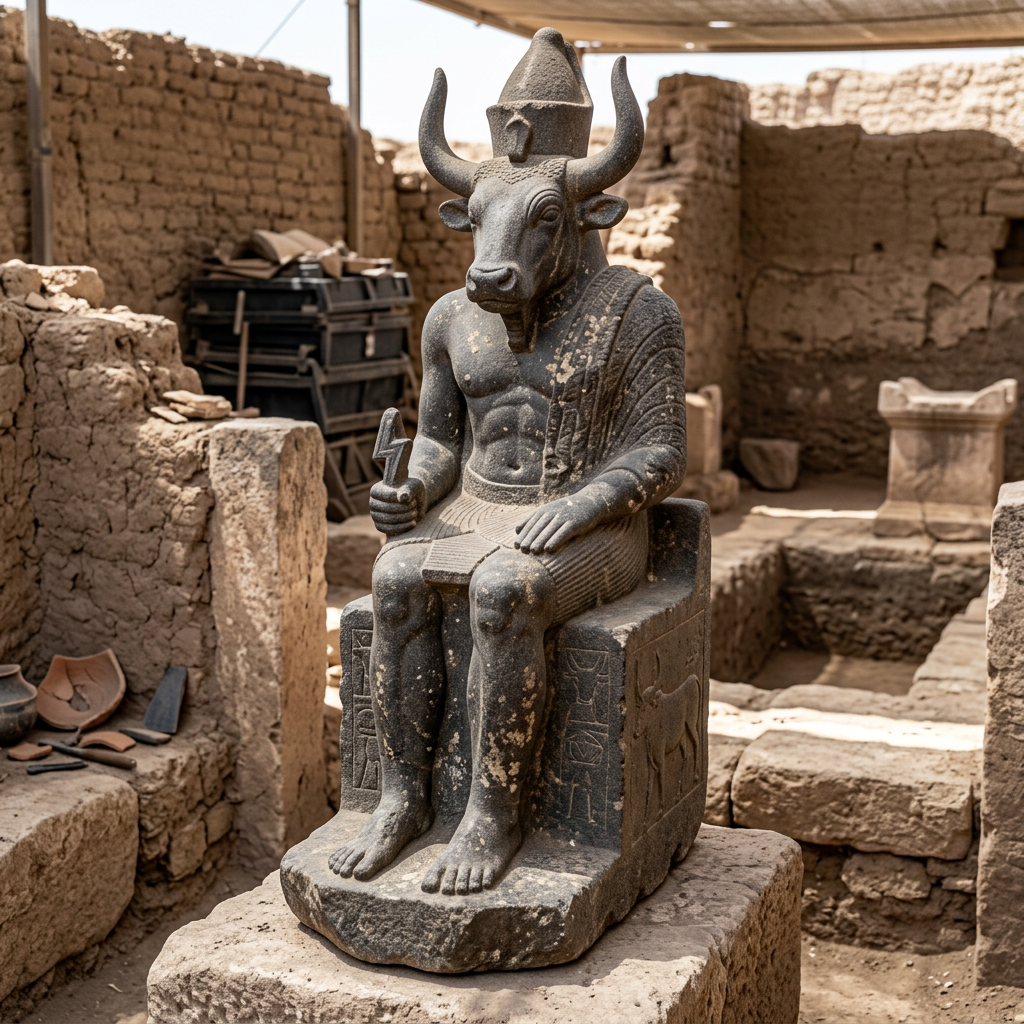
What most pastors practice today is called ecstatic speaking. The fact that you can hardly understand what they are saying makes it ecstatic. What’s even stranger is that ecstatic speaking is a pagan act that originated in Babylon.
In ancient Babylon, the Dionysian cults, the Prophetess of Delphi, and the Bacchus maidens all used ecstatic language in their rituals. And it’s not just mythology; the Greek philosopher Plato recorded the ecstatic utterances of Apollo’s priestesses in Delphi. These priestesses would go into a trance and speak in a language that their audience did not understand.
Read more: Revealed: The Term “Lord” refers to Satan
The cults of Osiris, Mithra, and Eleusinian, which flourished in Ancient Egypt, Persia, and Greece, all used ecstatic tongues to communicate with their deities. These mystical languages were thought to be supernaturally created dialects that allowed initiates to achieve higher levels of consciousness and communicate with the divine.
Read more: Revealed: Where do all the Righteous (Good) People go After Death?
For example, in the Osirian mysteries, priests would enter a trance-like state, speaking in tongues, and performing ritual dances to commemorate the resurrection of their god. The Mithraic cult, which was popular among Roman soldiers, consisted of ritual meals, initiations, and ecstatic worship, which included tongue-speaking.
The Eleusinian Mysteries, which were celebrated in Ancient Greece, included ritual performances such as ecstatic dancing and tongue-speaking to honor the goddess Demeter and her daughter Persephone. Ecstatic utterances were also a common feature of pagan worship in Greek culture, which explains why the Corinthians frequently spoke that way.
To mimic the spiritual gifts mentioned in Scripture, the Corinthians began incorporating this practice into their worship services. However, they were unable to distinguish between the genuine gift of tongues described in Acts 2 and the ecstatic utterances of their pagan heritage.
In his first letter to the Corinthians, the Apostle Paul addressed their misunderstanding and misuse of the gift of tongues. He emphasized the importance of discernment and wisdom in worship, saying that:
Unless you speak by the tongue words easy to understand, how will it be known what is spoken?”
(1 Corinthians 14:9)
Paul also warned against the chaos and confusion that can result from allowing ecstatic utterances to dominate worship services, urging the Corinthians to prioritize order, decency, and clarity in their gatherings (1 Corinthians 14:26–33, 40). Because this practice became so popular, Yahusha (Jesus) warned against ecstatic speaking during prayer.
7 And when you pray, do not keep on babbling like pagans, for they think they will be heard because of their many words. 8 Do not be like them, for your Father knows what you need before you ask him.
Matthew 6:7-8
How Can We Tell if a Person is Filled with the Holy Spirit?
Being filled with the Holy Spirit isn’t just about dramatic dancing or ecstatic speaking. It is about a fundamental transformation that shifts how we live. When the Holy Spirit takes hold in our lives, we notice a genuine fear of God and obedience to His commands.
Read more: Explained: Why Good People Die and Depart this World Too Early
The true manifestation of the Holy Spirit’s presence is not just the ability to speak in tongues or perform miracles, but also a significant change in our character and behaviour. As the apostle Paul wrote:
22 But the fruit of the Spirit is love, joy, peace, forbearance, kindness, goodness, faithfulness, 23 gentleness and self-control. Against such things, there is no law.
Galatians 5:22-23
In his own words, Yahusha (Jesus) clarified that genuine discipleship is not about empty promises or flashy displays. It is about bearing good fruit and living in accordance with God’s Word (Matthew 7:15-20; John 15:1-8).
Read more: The Pagan Origin of the Names of the Days of the Week and Months
When the Holy Spirit lives in us, we are destined to live lives of righteousness, holiness, and deep devotion to the Most High. Anything less is considered fake spirituality.
If someone says that speaking in ecstatic language is a sign of the Holy Spirit, be cautious of them. Such people are either intentionally dishonest or extremely ignorant. That practice has no biblical foundation and is essentially a pagan ritual masquerading as Christianity.
Conclusion
The Holy Spirit is neither a separate entity nor a subjective experience. It is the very presence of our Creator who creates righteousness within us. So, how can you prove that you are filled with the Holy Spirit? It is manifested as a growing commitment to living a holy life (1 Peter 1:13-16) and a deep, worshipful fear of your Creator (Proverbs 9:10).
If you regularly speak in ecstatic language during prayer, you should stop. That practice is not supported by the Bible and could indicate the presence of evil influences.
When praying, try to be clear and understandable instead of confusing. As the Bible instructs, speak in a language that everyone understands. Remember that our God is one of order, not confusion (1 Corinthians 14:33). If speaking ecstatically causes confusion, it is not from God, but from the devil.
Through the disclosure contained within this article, you have been forewarned.
Sources
1. Herodotus: The Histories, Book 4, chapter 79
2. Plato: Phaedrus, page 244
3. Plutarch: De Iside et Osiride, section 35
4. Claudii Claudiani carmina: Claudianus, Claudius
5. Aristophanes’ Frogs: A Dual Language Edition


Leave a Reply to Exposing the Dark History of Easter and its Pagan Origins – MakewetalknowCancel reply