

Millions of Africans were forced to migrate to the Americas as a result of the transatlantic slave trade, which shaped countries such as the United States, Brazil, and the Caribbean. Despite their hardships, enslaved Africans contributed significantly to agriculture, mining, and other fields.
Read more: Afro-Argentinians: How Argentina Erased the Existence of its Black Population
Between 1774 and 1860, enslaved labourers accounted for up to half of the growth in the US economy. Following abolition, they rebuilt their lives, established communities, and increased Black populations in non-African countries.
Today, the African diaspora has a global footprint, with millions living outside of Africa. Let’s have a look at the countries with the largest Black populations outside Africa.
10. United Kingdom

According to the 2021 Census, the UK’s Black population is diverse, with approximately 2.4 million people, or 4% of the population in England and Wales, identifying as Black. Many are UK-born or have acquired citizenship. The community is made up of “old diaspora” descendants of enslaved Africans, as well as “new diaspora” migrants from Africa and the Caribbean.
Urban areas such as London, the West Midlands, and Manchester have large Black populations, which are influenced by socioeconomic factors, education, employment, and culture.
Lewisham (26.77%), Southwark (25.13%), Lambeth (23.97%), and Croydon (22.64%) have significant Black populations in London, whereas Manchester (11.94%) and Birmingham (4.52%) have strong communities outside the capital.
9. Mexico

Mexico’s Black population is estimated to be around 2.5 million, or 1.98% of the total population, but the actual number of people with African ancestry is likely higher due to mixed identities.
Many Afro-Mexicans are descended from colonial-era slaves or indigenous people with African ancestry. They live in areas such as Costa Chica and Veracruz and work in agriculture and fishing.
Mexico officially recognized Afro-Mexicans as an ethnic group in 2015, increasing awareness and appreciation for their culture. This recognition emphasizes the need for more accurate data to meet their needs and preserve their heritage.
8. Jamaica

Jamaica’s Black population is around 2.7 million, or 92.1% of the population. The island’s history is deeply rooted in the transatlantic slave trade, with enslaved Africans brought from various ethnic groups across Africa.
Today, Black Jamaicans drive the island’s culture, music, and spirit, mainly residing in urban centers like Kingston, Montego Bay, and Spanish Town. Their influence extends around the world, from reggae music to athletic achievements.
7. Venezuela

Venezuela’s Afro-Venezuelan community is significant, with around 1.1 million people (3.6% of the population) self-identifying as Afro-Venezuelan, according to the 2011 Census. However, other estimates put the number closer to 3 million (10% of the population) with Sub-Saharan African ancestry.
Most Afro-Venezuelans are descended from enslaved Africans brought during the transatlantic slave trade. They are spread across the country, with concentrations in coastal areas such as Falcón, Sucre, and Zulia, as well as the capital Caracas.
6. Colombia

Colombia’s Black population has a long history, dating back to the 16th century, when enslaved Africans were brought by Spanish settlers. Many escaped slaves established free settlements, such as San Basilio de Palenque.
Read more: Is Croatia Safe for Black Travellers? A Nigerian’s Experience
Today, around 36% of Colombians have African ancestry, with estimates suggesting 4.7-11 million Afro-Colombians. They are concentrated in coastal areas like Chocó, Valle del Cauca, and Buenaventura, which have large Black populations.
5. France

France’s Black population has a complex history that dates back to the 16th century. According to INSEE, the number of people of African descent increased from 1.1 million in 1999 to 2.2 million by 2020, with estimates predicting 3-5 million by 2023 and possibly 8-10 million of mixed ancestry.
This increase was driven by post-World War II migration and natural growth. Today’s Black populations are concentrated in Marseille, Seine-Saint-Denis, Guadeloupe, Martinique, and Réunion, reflecting historical and economic ties.
4. Dominican Republic
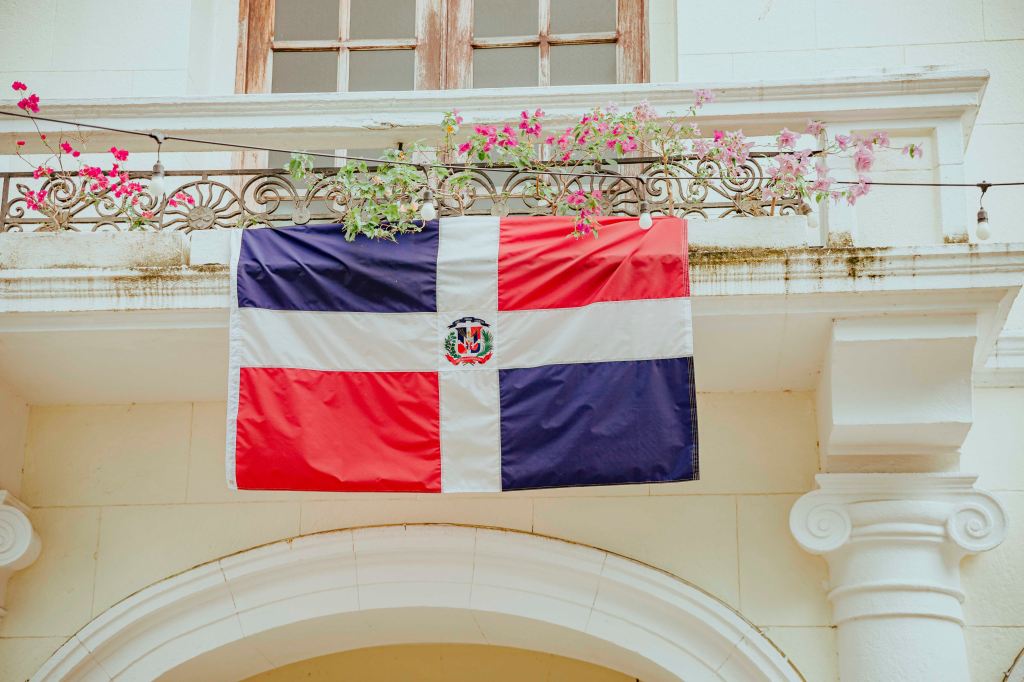
There is a lot of debate over whether the Dominican Republic is a country or a territory. The Dominican Republic is a sovereign nation that occupies the eastern two-thirds of the Caribbean island of Hispaniola. The international community recognizes it as an independent nation, with its own government, constitution, and elected officials.
Read more: 15 Countries with the Largest White Populations Worldwide
According to the 2022 census, the Dominican Republic has a Black population of approximately 642,018 people (7.5% of the population). Given the country’s complex racial identity and multiracial population, estimates suggest that up to 7.9 million people may be of African ancestry.
Afro-Dominicans can be found all over the nation, from inland places like Cotuí and Monte Plata to coastal areas like San Cristóbal and San Pedro de Macorís, as a result of the country’s history of slavery and colonization.
3. Haiti
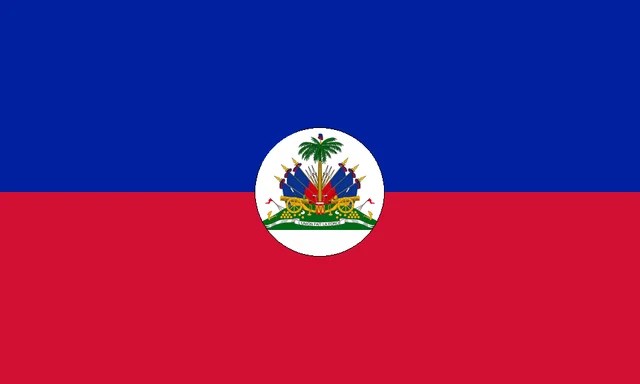
Haiti has an incredible 11 million people, the vast majority of whom are of African descent. It has one of the largest Black populations in the Americas, and the country’s history reflects its people’s strength and resilience.
Haiti’s success in rebelling against colonialism is remarkable, but the country has struggled economically ever since. Because of its small size, the country is densely populated, particularly in urban areas such as Port-au-Prince. Afro-Haitians trace their ancestry back to West and Central Africa, and their cultural heritage is truly admirable.
2. United States

The US has a diverse Black population, with around 48.3 million people of African descent, making up 14.4% of the population. The Black population’s grown by 33% since 2000, with states like Texas, Florida, and Georgia having the largest numbers.
Read more: How the One-Drop Rule caused confusion and discrimination for black people in America
Cities with large Black populations include Jackson, Detroit, and Birmingham. The median household income is around $54,000, and the median age is 32.6 years, with 30% under 20.
1. Brazil
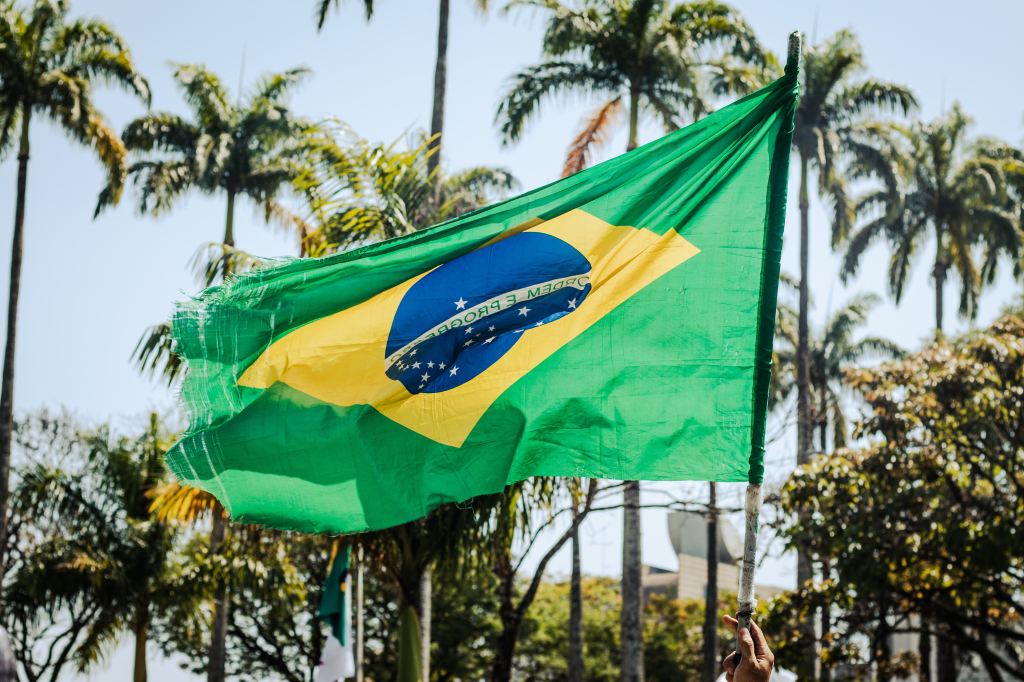
Brazil has the largest Afro-descendant population outside of Africa, with over 100 million people identifying as preto or pardo, accounting for roughly 50.7% of the total population. According to the 2022 census, there are 20.6 million Black people and 92.1 million brown people.
With their influences in dance, music, and cuisine, Afro-Brazilians have moulded the nation’s culture, particularly in the northeast. Their cultural heritage continues to inspire, and their contributions to Brazilian society are indisputable despite obstacles. With an estimated 115.7 million Afro-Brazilians by 2042, Brazil will firmly establish itself as a center of Afro-Latin American culture.
Conclusion
The legacy of the transatlantic slave trade and forced migration has resulted in the establishment of vibrant Black communities in many countries around the world. Despite the shackles of slavery, the weight of colonialism, and the sting of racism, Black people have risen, thrived, and excelled throughout the world.
As we come to the end of this journey through the diaspora, remember that the beauty of Blackness is more than just a physical trait; it is a testament to a people’s resilience, strength, and determination to overcome the unimaginable.
Black is not only beautiful; it is also powerful, resilient, and triumphant. It is a badge of honor, a symbol of hope, and a reminder that our heritage is built on greatness, not failure. Your skin’s excess melanin pigmentation demonstrates that you were created in the image of your Creator. Wear your Creator’s image proudly, and let your beauty shine from within.
Featured Photo
Source
Brazilian Institute of Geography and Statistics. (2020). Population estimates.
Office for National Statistics. (2019). Population estimates for the UK.
United States Census Bureau. (2020). Demographic estimates.
Instituto Nacional de Estadística y Geografía. (2020). Mexico population estimates.
Segal, R. (2016). The Black diaspora. Routledge.
Hall, R. E. (2019). The African diaspora. Journal of Black Studies, 50(5), 432-444. doi: 10.1177/0021934719843835
Thomas, D. (2018). The African diaspora in the Americas. Journal of African American History, 103(2), 155-170. doi: 10.5323/jafriamerhist.103.2.0155






 Makewetalknow
Leave a reply to Richard I. Inegbedion Cancel reply