

The Netherlands is a country that is famed for its windmills, tulips, delicious breakfasts, great beer, and its people’s relaxed and unusual ways. On a purely economical basis, the Netherlands is also widely recognized as the second-largest exporter of food and beer in the world. There is, however, one aspect of the Netherlands that is often mistaken, and this has something to do with its name.
There are many people who still refer to the Netherlands as Holland, but did you know that it’s actually a complete blunder and that the Netherlands and Holland are two different places? The Netherlands is the actual name of the country, while Holland is a geographical location within the same country. With this information, it should be called the Netherlands instead of Holland.
The misconception that Holland is synonymous with the Netherlands is understandable, given the country’s complex history of name changes. Over the years, the region has been known as the Dutch Republic, the United States of Belgium, and the Kingdom of Holland.
However, the confusion surrounding the country’s name isn’t solely due to its historical complexities. Another contributing factor is the country’s geographical division into twelve provinces, which includes:
1. Groningen
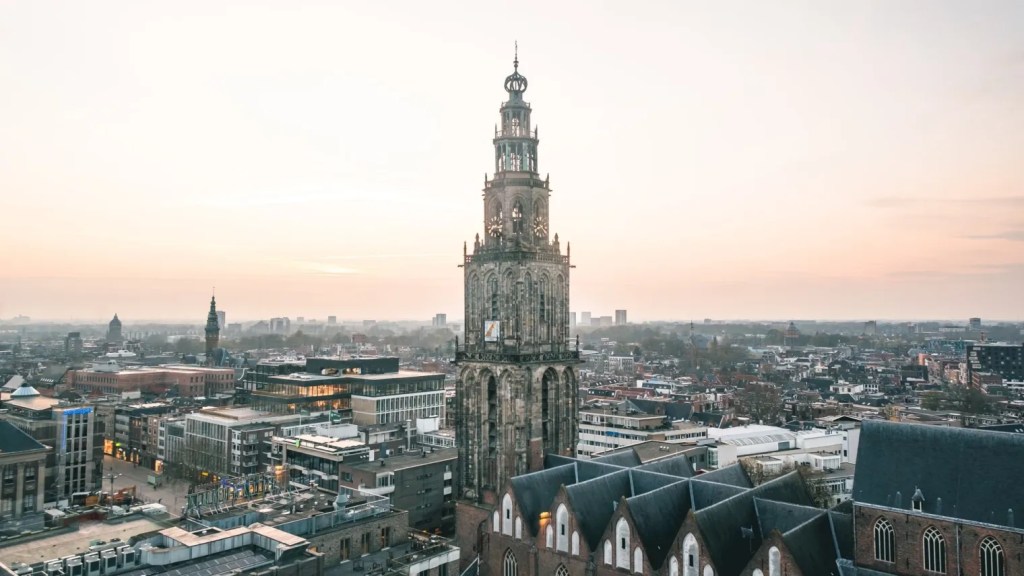
Since the 13th century, Groningen has been renowned as a hub for talent, intellectual freedom, and innovation, serving as the economic, academic, and political epicentre of the Northern Netherlands. This vibrant city has fostered a culture of creativity, critical thinking, and progress.
The city boasts a rich academic heritage, being home to the venerable University of Groningen. With a history spanning over 400 years, the university has evolved into one of the largest and most prestigious institutions of higher learning in the Netherlands, attracting students from all over the world.
Today, it has a student body exceeding 50,000, offering a wide range of academic programs and research opportunities.
2. Drenthe
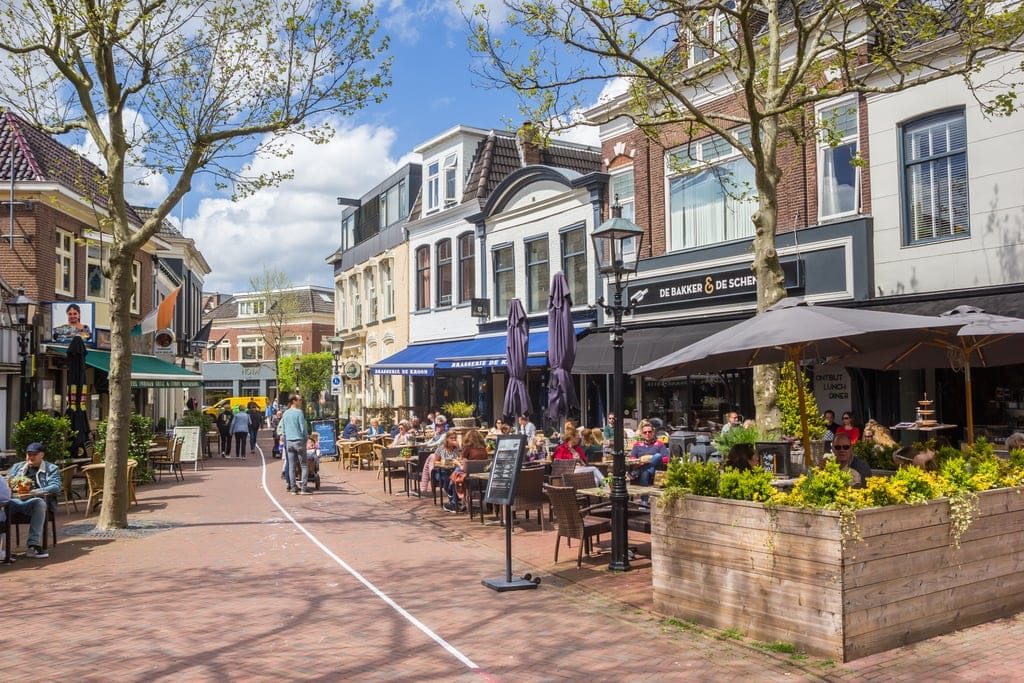
Located in the northeastern region of the Netherlands, Drenthe is a province steeped in history and natural beauty. Traditionally, the region has been home to small-scale industries such as spinning, weaving, and rope-making.
As one of the most sparsely populated provinces in the Netherlands, Drenthe boasts an abundance of forests and extensive river systems. The province’s economy is primarily driven by agricultural processing, with notable products including potato flour and strawboard.
The two largest cities, Assen and Emmen, serve as the main industrial hubs, while the surrounding areas are predominantly dedicated to agriculture, creating a harmonious balance between industry and nature.
3. Overijssel
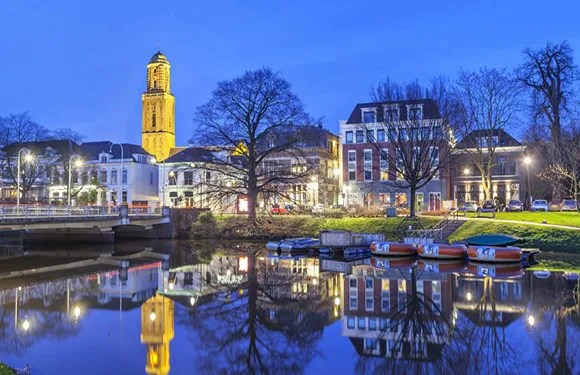
Located in the central-eastern part of the Netherlands, Overijssel is a province situated south of Drenthe. Its capital city, Zwolle, is steeped in history, while Enschede holds the distinction of being the province’s largest city.
Overijssel is home to numerous breathtaking natural preserves, including De Weeribben, which showcase the province’s stunning natural beauty. However, beyond its picturesque landscapes, Overijssel has evolved into a thriving hub of industry and services, boasting a dense population and a vibrant economy.
4. Gelderland
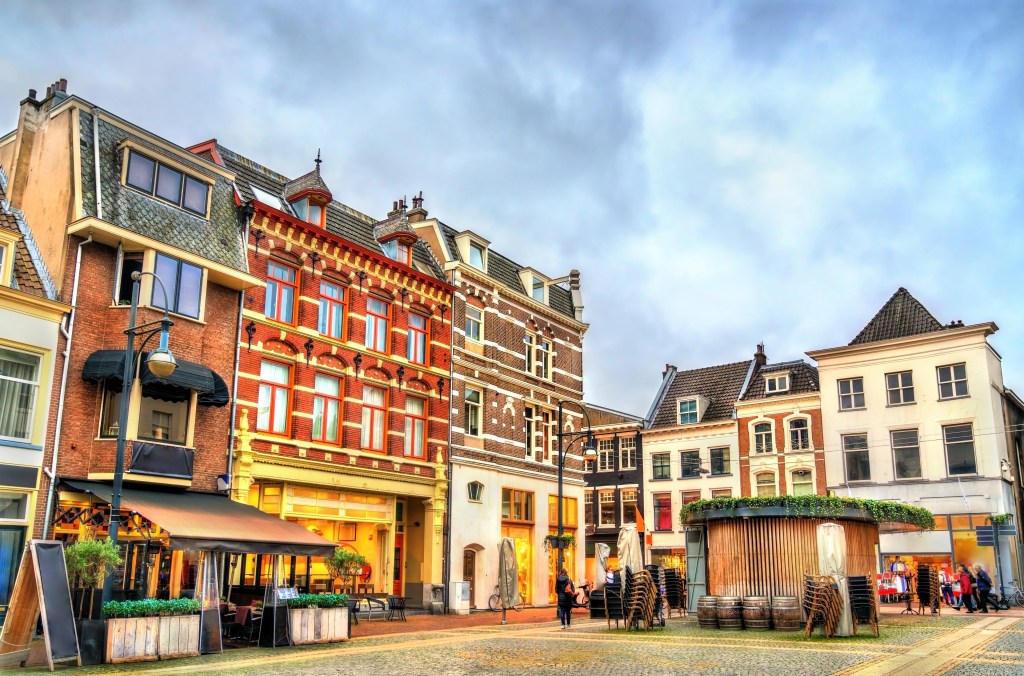
The Gelderland region in the Netherlands boasts a rich history dating back to the era of the Holy Roman Empire. Arnhem serves as the provincial capital, while Nijmegen is the largest city, covering a vast area of 5,136 square kilometres.
With a population of approximately two million people, Gelderland is characterized by its historic cities, expansive rivers, lush forests, and picturesque rural areas. Interestingly, the province’s name is derived from the nearby German town of Geldern, famous for its legendary dragon myth.
Notably, despite being one of the largest provinces in the Netherlands, Gelderland has the distinction of having the lowest population density, offering a unique blend of natural beauty and urban charm.
5. Limburg
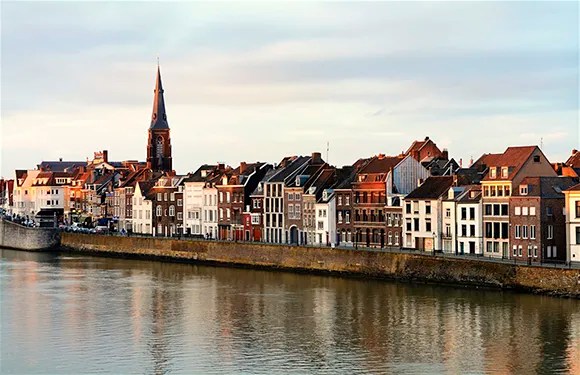
Located in the southernmost tip of the Netherlands, Limburg is a province that boasts a unique blend of culture, history, and natural beauty. Its capital and largest city, Maastricht, is a vibrant hub that covers an area of 2,209 square kilometres.
Limburg plays a significant role in the Dutch wine industry, with South Limburg being home to the highest concentration of vineyards in the entire country. Additionally, Limburg’s strategic location allows it to share borders with both Germany and Belgium, distinguishing it from the northern provinces of Gelderland and North Brabant.
Interestingly, the name “Limburg” originates from the castle town of Limbourg, which is now part of Belgium, highlighting the province’s rich history and cultural heritage.
6. North Brabant
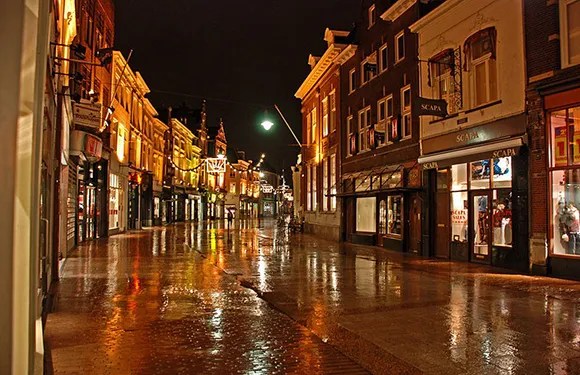
North Brabant is a vibrant province that is located in the southern region of the Netherlands that also boasts of a rich cultural heritage. Its capital, Hertogenbosch (Den Bosch), is steeped in history, while Eindhoven, the largest city, is a hub of innovation and technology, covering an expansive area of 5,082 square kilometres.
North Brabant’s strategic location makes it a significant economic and cultural center, bordered by Belgium’s provinces of Limburg and Antwerp to the south, and the Meuse River to the north. Today, it is one of the most populous provinces in the Netherlands, with prominent cities like Den Bosch and Eindhoven driving its growth and development.
7. Zeeland
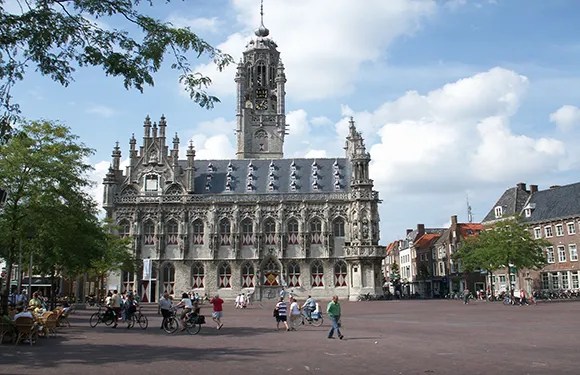
Located in the south-western region of the Netherlands, Zeeland is a picturesque province that embodies the essence of the sea. Middelburg serves as the capital, while Terneuzen is the largest city, covering an expansive area of 2,933 square kilometres.
Zeeland, aptly nicknamed “sea-land,” is characterized by its unique geography, comprising numerous tiny islands surrounded by a narrow strip of land that stretches across the Belgian border. The province is renowned for its rich maritime heritage, including traditional oyster culture and thriving shrimp and mussel fisheries.
As a popular tourist destination, Zeeland’s economy flourishes during the summer months when its stunning beaches transform into vibrant hotspots. German tourists, in particular, flock to Zeeland, drawn by its exceptional weather and captivating coastline, making it an ideal getaway for those seeking a relaxing seaside escape.
8. Friesland
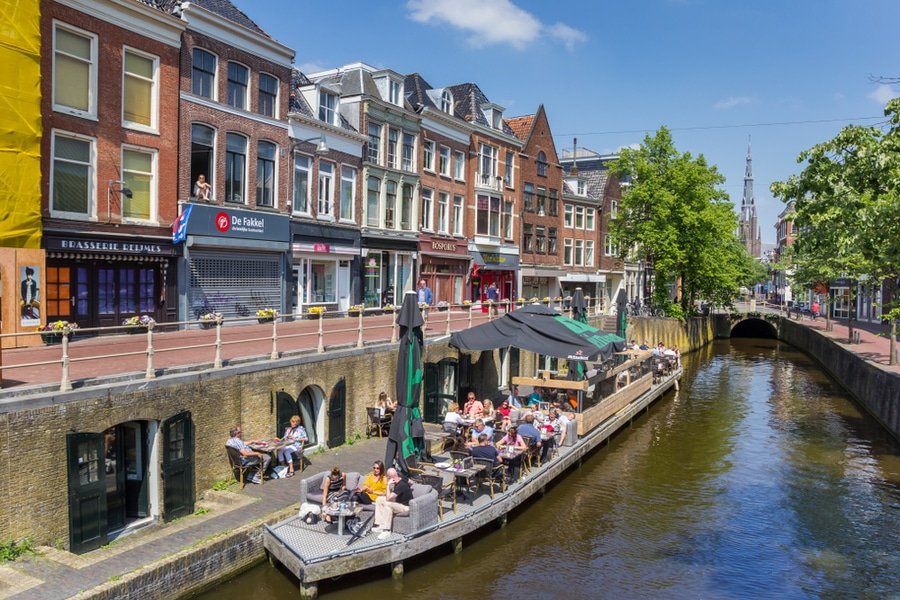
The province of Friesland is located on the mainland and includes the West Frisian islands of Ameland, Vlieland, Terschelling, and Schiermonnikoog. Friesland, as its name suggests, is a special and interesting province. Its capital and biggest city, Leeuwarden, is 5,749 square kilometres and has 646,874 people living there.
Friesland stands out as a distinctive region within the Netherlands, where the Frisian language is proudly spoken by its inhabitants. The province’s economy is primarily driven by agriculture, with a focus on breeding renowned Frisian Cattle and the majestic black Frisian Horse.
Beyond its agricultural heritage, Friesland’s breathtaking landscapes and waterways make tourism a significant contributor to its economy. Visitors flock to explore the province’s serene lakes and islands in the Wadden Sea. Friesland is also recognized for producing some of the world’s top ice skaters and hosting the iconic Elfstedentocht (Eleven Cities Tour), a gruelling 200-kilometer ice skating race that showcases the province’s passion for this beloved winter sport.
9. Flevoland
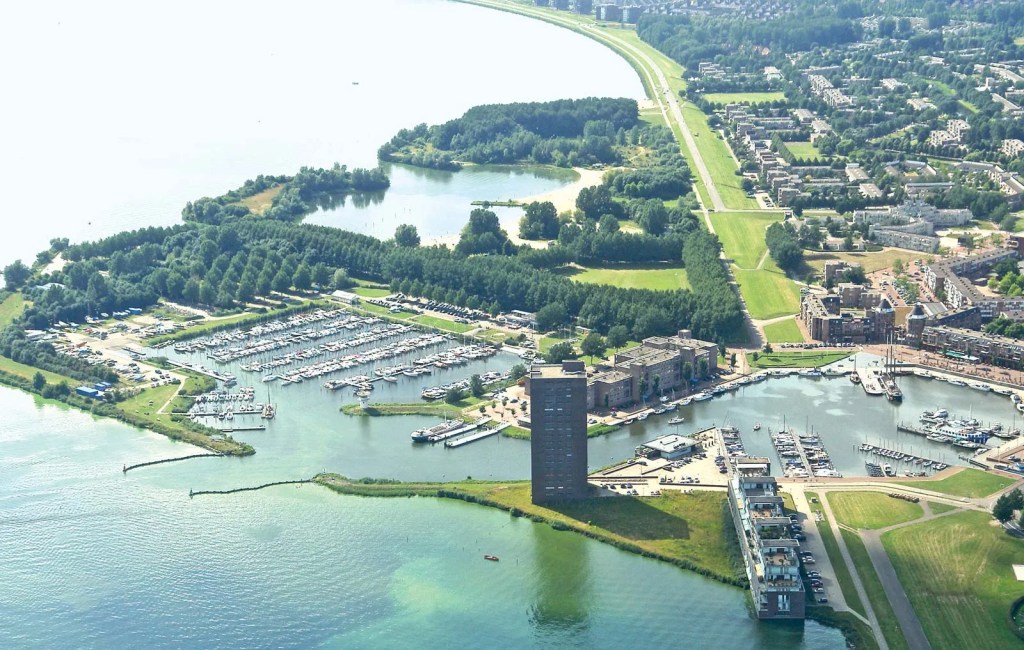
Flevoland, the Netherlands’ youngest province, was established in 1986. Strategically located in the central region, Flevoland was created on the site of the former Zuiderzee bay. Lelystad serves as the capital, while Almere is the largest city, covering a total area of 2,412 square kilometres and boasting a population of 407,818.
This predominantly agricultural region is characterized by its remarkably flat terrain, which was almost entirely formed through land reclamation. Today, the thriving city of Almere stands as a testament to this remarkable feat of engineering.
One of Flevoland’s most notable attractions is the Nieuw Land National Park, which comprises four stunning areas of natural beauty: Oostvaardersplassen, Lepelaarplassen, Marker Wadden, and Markermeer. As the world’s largest artificially created natural area, this park showcases the region’s unique blend of natural beauty and human ingenuity.
10. Utrecht
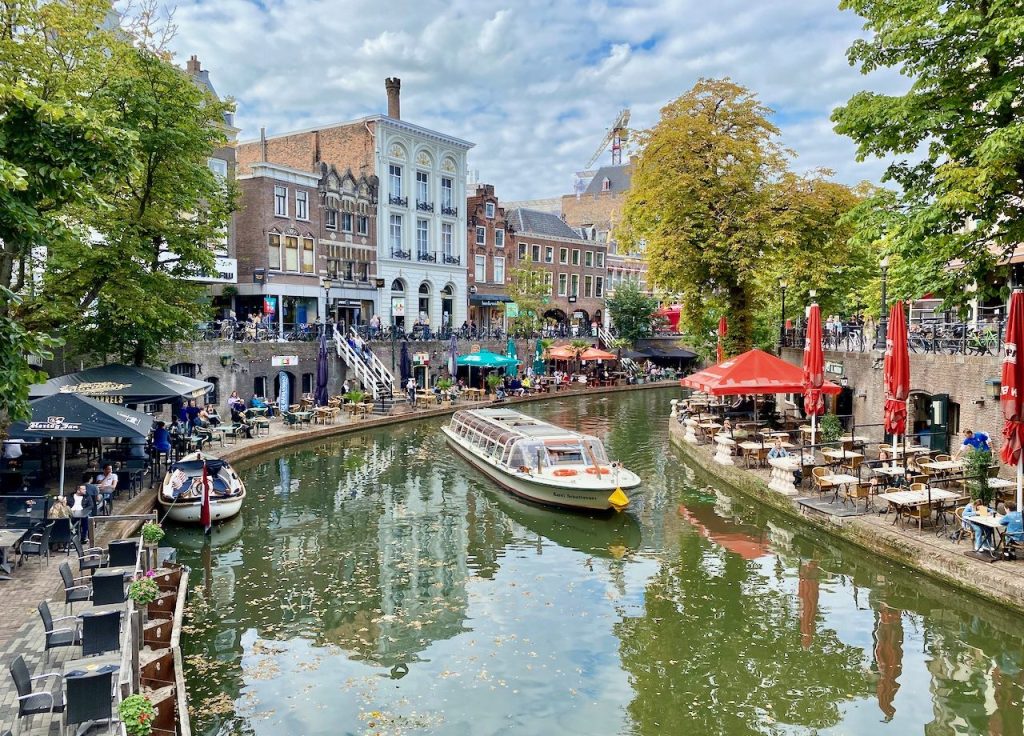
Despite being one of the smallest provinces in the Netherlands, Utrecht boasts a remarkably large population. Strategically in the eastern region of the Randstad conurbation, the province is named after its capital city, Utrecht. With a surface area of 1,449 square kilometres and a population of approximately 1,284,504, Utrecht is the fourth-largest city in the country.
Founded by the Romans in 47 AD, Utrecht is steeped in history and is renowned as the religious center of the Netherlands. The city’s ancient architecture is characterized by numerous buildings dating back to the Middle Ages, showcasing its rich cultural heritage.
Utrecht is also a hub for higher education, being home to Utrecht University, the largest university in the Netherlands, as well as several other esteemed institutions. Its central location within the country makes it a vital transportation hub, with Utrecht Centraal being the busiest train station in the Netherlands. Both rail and road networks converge here, facilitating seamless connectivity throughout the region.
11. Noord (North) Holland
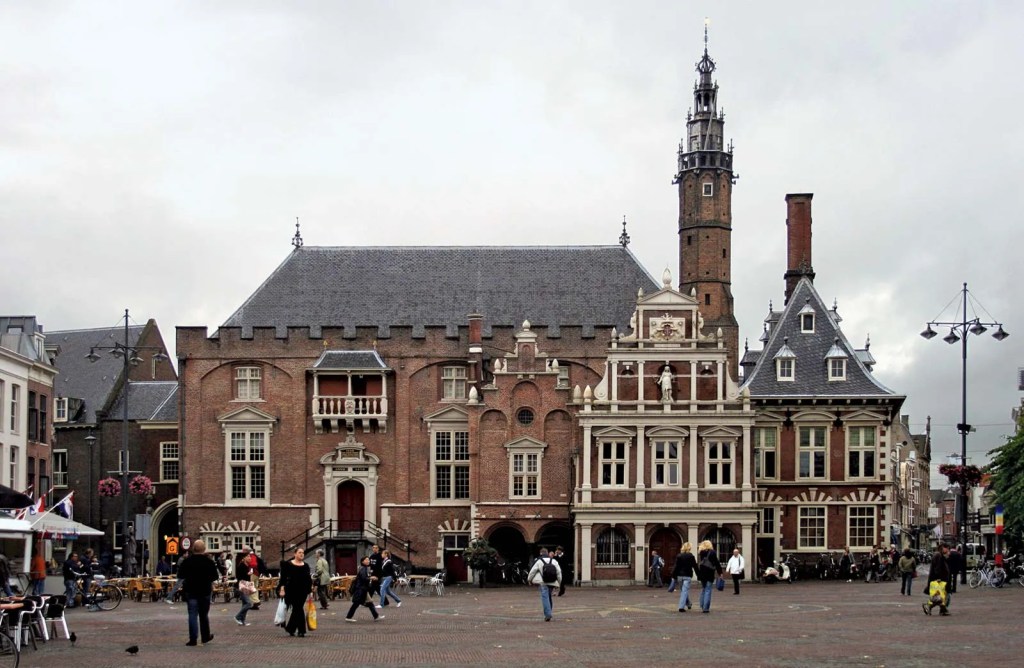
Located in the western part of the Netherlands, the province of North Holland is a treasure trove of history, culture, and natural beauty. Haarlem serves as the capital city, while Amsterdam, the country’s most famous city, is the largest, covering an expansive area of 4,091 square kilometres and boasting a population of 2,809,483.
North Holland’s rich cultural heritage is evident in its numerous museums and historical monuments, drawing tourists to both Amsterdam and Haarlem. The province is quintessentially Dutch, with its picturesque canals, iconic windmills, and charming historic villages.
In some of these villages, inhabitants continue to live harmonizing with tradition, adhering to the same lifestyle as their ancestors did in the 16th century, offering a unique glimpse into the region’s storied past.
12. Zuid (South) Holland
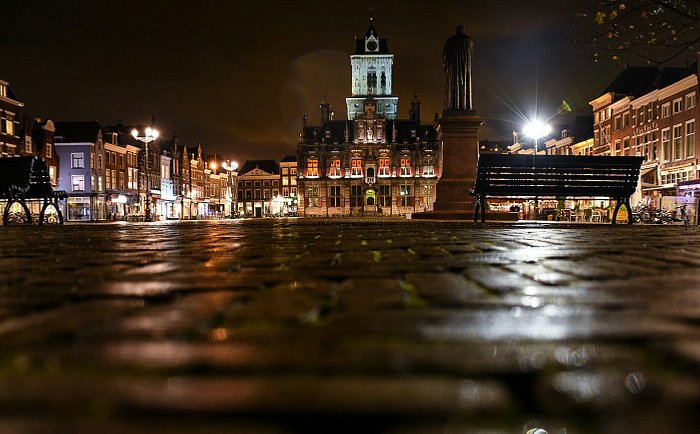
Situated in the western part of the Netherlands, along the North Sea, the province of South Holland is a vibrant and densely populated region. The Hague serves as the capital, while Rotterdam is the largest city, covering an area of 3,418 square kilometres and boasting a staggering population of 3,650,222.
As the most populous province in the Netherlands, South Holland offers a diverse array of attractions that extend far beyond the urban centres of The Hague and Rotterdam. This North Sea province is a treasure trove of historical, cultural, natural, and architectural riches, making it a highly sought-after tourist destination.
However, South Holland’s significance extends beyond its appeal to visitors. The province is also one of the most densely populated and industrialized regions globally, showcasing a unique blend of urbanization, innovation, and cultural heritage.
More interesting facts about the Netherlands
Having this knowledge in mind, when you refer to the Netherlands as Holland, it’s more like referring to the United States as Dakota, which has both a northern and a southern region. However, in contrast to the Dakota region, which is predominantly uninhabited, the Holland provinces (north and south) are the most populous and possess some of the most prominent attractions, such as Amsterdam and Keukenhof.
When referring to Holland, it’s essential to clarify whether it’s North Holland (Noord-Holland) or South Holland (Zuid-Holland), as the term “Holland” specifically denotes these two provinces within the Netherlands.
It’s worth noting that residents of North Holland (Noord-Holland) and South Holland (Zuid-Holland) are specifically referred to as Hollanders in both Dutch and English. In contrast, people from other provinces in the Netherlands are generally referred to as Dutch (or Nederlanders in Dutch).
The term “Dutch” has a dual meaning, referring to both the people and the official language of the Netherlands. Interestingly, in Dutch, there’s a phrase “Nederlands Sprekende” which, when translated, implies that locals prefer to be called Nederlanders who speak Dutch. Similarly, neighbouring Germany has a comparable expression, “Deutsche Sprechen Deutsch in Deutschland,” which suggests that Germans prefer to be referred to by their national identity rather than their language.
This linguistic ambiguity is also the reason behind the misnomer “Pennsylvania Dutch,” where Americans refer to people of German heritage as “Dutch.” This terminology stems from the fact that the Pennsylvania Germans, also known as the Pennsylvania Deutsch, were mistakenly labelled as “Dutch” due to the linguistic similarity between “Deutsch” (German) and “Dutch.”
Adding another layer of complexity, the Netherlands is part of the Kingdom of the Netherlands, a sovereign state headed by the Dutch royal family. The Kingdom comprises four constituent countries: the Netherlands, Aruba, Curaçao, and Sint Maarten. Interestingly, three of these countries – Aruba, Curaçao, and Sint Maarten – are located in the Caribbean, requiring a journey across the North Sea to reach these tropical islands. This unique composition highlights the Kingdom’s diverse geography and cultural heritage.
It is essential to note that Aruba, Curaçao, and Sint Maarten are not merely provinces of the Netherlands but rather independent countries with their governments and currencies. Sint Maarten is not an independent island, but rather the southern half of the tiny island of Saint Martin, which is shared with France.
This unique arrangement results in a fascinating anomaly: while the Netherlands and France share a border in Europe, along the Belgian border, they also share a border on the opposite side of the world, on the island of Saint Martin in the Caribbean.
How the Dutch influence was felt in different parts of the World
The Kingdom of the Netherlands’ presence in the Caribbean is a legacy of the Dutch Empire. During the 17th century, Dutch merchants, driven by a desire to expand their trade networks, extensively explored and established footholds in valuable ports across the region. The Caribbean islands were rich in resources, including corn, sugar, cotton, tobacco, indigo, salt, coffee, oil, and unfortunately, slaves.
The Dutch colonists capitalized on these valuable commodities, establishing lucrative businesses that included the transatlantic slave trade. This dark chapter in history saw the buying and selling of enslaved indigenous people, leaving a profound impact on the region’s social, economic, and cultural fabric.
Read More: Historical reason why some parts of Croatia are split by Bosnia
In addition to the Caribbean and Europe, the Kingdom of the Netherlands also had influences in other parts of the world. The eastern part of the United States was often referred to as the ‘new Netherlands,’ and its capital city was known as ‘Amsterdam,’ a reference to the ‘new Netherlands’. They were present in New Zealand as well, and within its vicinity was the king of the islands, known as New Holland.
Despite the end of the Dutch colonial era, the Caribbean islands of Sint Maarten, Curaçao, and Aruba remain sovereign nations. Although the influence of the Kingdom of the Netherlands in four countries within a single kingdom is not uncommon, it extends beyond that, as the Netherlands also has three public bodies located in the Caribbean Sea. These islands include Bonaire, Sint Eustatius, and Saba.
It’s important to note that Bonaire, Sint Eustatius, and Saba are not sovereign countries within the Kingdom of the Netherlands but rather special municipalities within the country of the Netherlands. These islands have a unique administrative status, with their island governments and the Dutch central government sharing responsibilities.
Unlike typical municipalities in the Netherlands, Bonaire, Sint Eustatius, and Saba do not belong to any Dutch province. However, residents of these islands participate in Dutch national elections, just like any other Dutch citizen. Interestingly, despite being part of the Netherlands, these islands use the US dollar as their official currency, rather than the euro.
This arrangement bears some resemblance to the situation in Hawaii, a state in the United States. However, it’s worth noting that Hawaii does use the US dollar as its official currency, not a currency similar to the Japanese Yen.
The cities and island nations within the Netherlands and the Kingdom of the Netherlands are collectively referred to as the Dutch Caribbean. Citizens of these islands, including Aruba, Curaçao, Sint Maarten, Bonaire, Sint Eustatius, and Saba, hold Dutch citizenship. As the Kingdom of the Netherlands is a member of the European Union, Dutch Caribbean citizens also hold European citizenship.
Conclusion
In summary, when referring to the Netherlands, keep the following key points in mind:
- The Kingdom of the Netherlands is the sovereign state.
- The kingdom consists of four countries: Aruba, Curaçao, Sint Maarten, and the Netherlands.
- The Netherlands is further divided into 12 provinces.
- Two of these provinces are Noord-Holland (North Holland) and Zuid-Holland (South Holland).
- The six Caribbean islands (Aruba, Curaçao, Sint Maarten, Bonaire, Sint Eustatius, and Saba) are part of the Kingdom of the Netherlands.
- All citizens of the kingdom are considered Dutch.
Knowing the differences can make things easier when people talk about the Netherlands.
Sources
Mappr. (n.d.). Counties of the Netherlands. Retrieved from https://www.mappr.co/counties/netherlands/
Netherlands Tourism. (n.d.). South Holland. Retrieved from https://www.netherlands-tourism.com/south-holland/
Photo by Adrien Olichon on Unsplash




 Makewetalknow
Leave a comment