
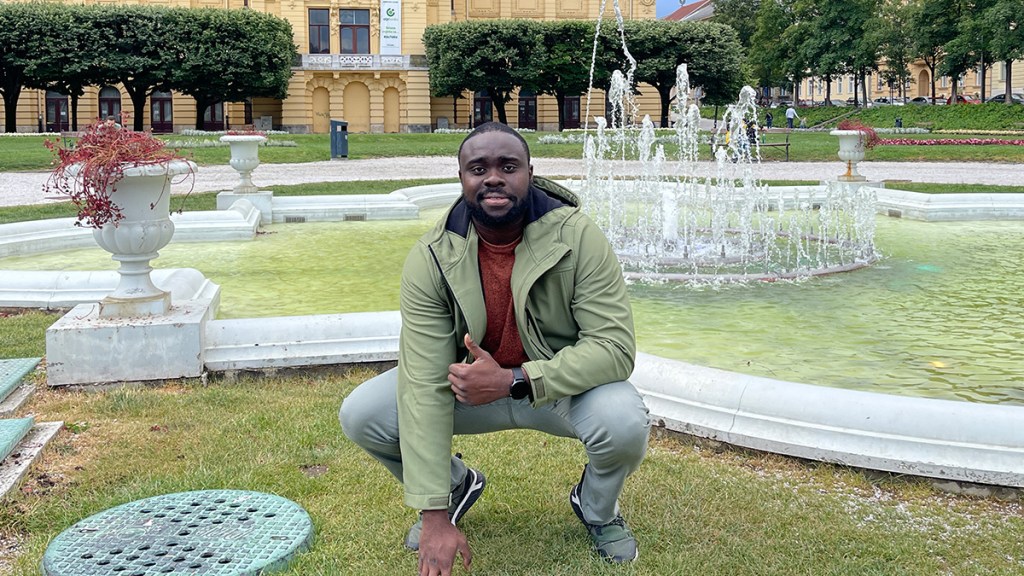
Croatia, a geographically diverse nation in the northwest of the Balkan Peninsula, has become a sought-after destination for European travellers. With a population of about 4 million, the country boasts a unique crescent shape, encompassing historic regions like Croatia-Slavonia, Istria, and Dalmatia.
While 90% of the population is made up of Croats, there are also smaller populations of Serbs, Bosniaks, Hungarians, Italians, and other ethnic groups in the nation. The majority of the population communicates in Croatian, a South Slavic language belonging to the Indo-European language family.
The tourism industry in Croatia has experienced remarkable growth, with 19.4 million visitors in 2023, including 16.8 million international tourists and 2.6 million domestic travellers. This growth generated €14.6 billion in revenue. Revenues are anticipated to surpass 16 billion euros in 2024, a 4% increase from the previous year, as the country recorded more than 21.3 million tourist arrivals.
According to the Croatian Bureau of Statistics, the majority of tourists (around 92%) come from European countries, particularly Germany, Slovenia, Austria, and Italy. The nation’s idyllic climate, culturally significant cities, picturesque ports, and breathtaking natural scenery render it an ideal holiday spot.
As Croatia remains a popular European tourist destination, many Black travellers around the world wonder if it is also a welcoming place for them. This article will look at whether Croatia is a welcoming destination for Black tourists, based on my personal experiences as a Black traveller in the country.
Note: My opinions are based solely on my individual experience and are not influenced by any external organizations or government agencies. I understand that travel experiences are subjective and may not be the same for everyone.
Is Croatia Safe and a Good Travel Destination for Black People?
It is important to acknowledge that tourism is a substantial contributor to Croatia’s economy, accounting for 20% of its GDP. Most tourists frequently favour locations where they are made to feel at home and accepted.
Although the visitor demographics of Croatia are predominantly composed of white Europeans, this does not necessarily make it unwelcoming to racialized and ethnic groups. Based on my observations, many EU visitors opt to come to this country because of its convenient location and ease of access for those living in the area.
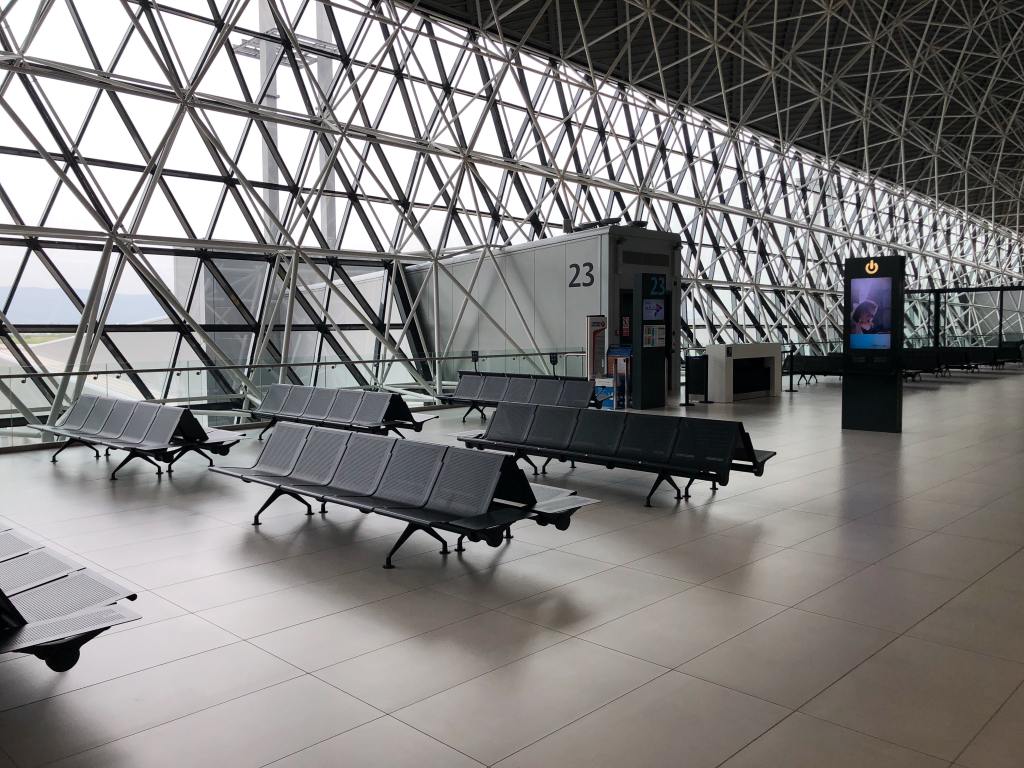
I’m from Nigeria, and I have become used to running into problems with immigration officials when I travel. While travelling from Istanbul to Zagreb on a connecting flight, I had an awful encounter motivated by racism. I am accustomed to being detained and subjected to a prolonged examination of my intentions for visiting; however, this all changed upon my arrival at Franjo Tuđman Airport in Zagreb.
I was surprised at how friendly and efficient the immigration officials were at Franjo Tuđman Airport in Zagreb. The immigration procedure was surprisingly easy and hassle-free because of their professional and kind treatment of me. However, I noticed that the other black passengers on the same flight had a similar positive experience. On another day, Black people may have had different experiences.
Croatia has made significant progress in becoming a society that embraces and includes individuals of all races and nationalities, even though they may not have been as tolerant ten or twenty years ago. I was still able to eat delicious food, socialize with locals, and find inexpensive places to cool off in Zagreb. In comparison to other European destinations, a decent bar provides excellent value for money, with a bottle of beer costing only 19 kunas, or approximately 2.5 euros.
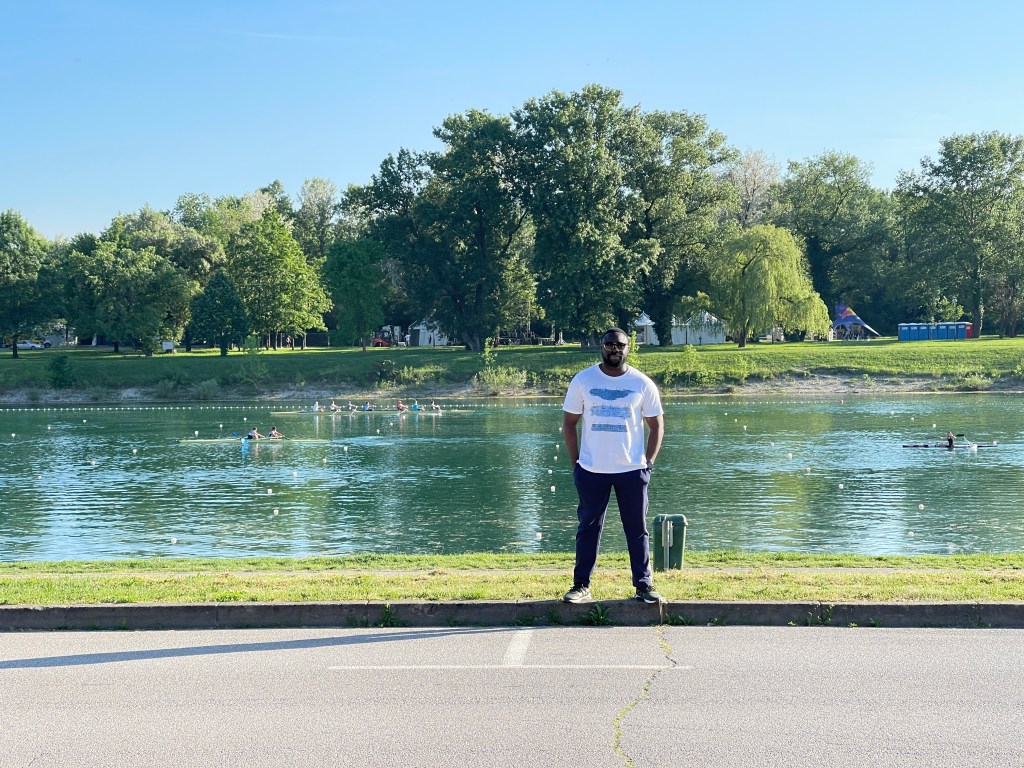
While I had a wonderful time in Zagreb, there was one minor issue: people kept staring at me. This could be because they aren’t accustomed to seeing people like me. However, I still made time to visit some of the city’s top attractions, including the Museum of Broken Relationships, Jarun Lake, Park Maksimir, and the Zagreb Cathedral.
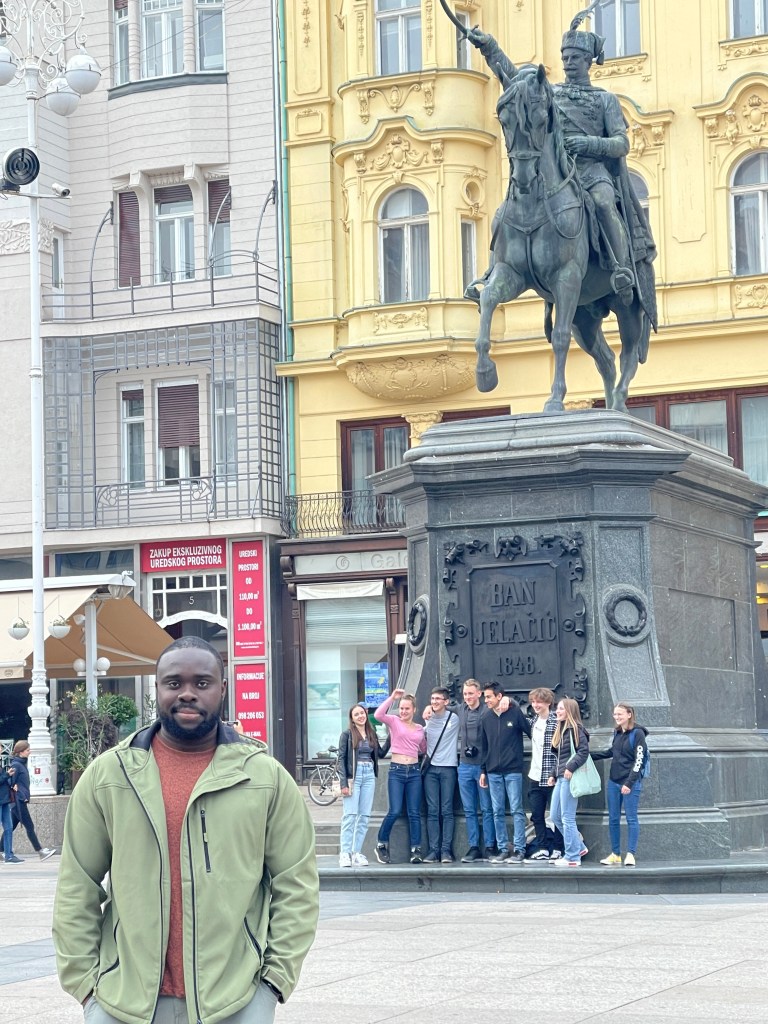
It was interesting to discover that Zagreb has a Black community, which was a pleasant surprise. To meet other foreign tourists in Zagreb, go to specific spots, such as the busy Ban Josip Jelaċić Square in the city center. This square, home to the famous equestrian statue of Ban Josip Jelačić, is a popular gathering spot. With a tram stop nearby, it’s ideal for people-watching, taking photos, and taking in the city’s lively vibe.
Jelacic Square has more hotspots with bars and clubs that attract a diverse crowd of Black people from all over the world. I met people from Nigeria, Cameroon, Uganda, Cuba, the United Kingdom, and the United States. Many were professional footballers, students, or working professionals who had settled in Croatia.
Every Black person I talked to was incredibly upbeat and said they were happy with their lives in Croatia. Some of them spoke Croatian so well that they were difficult to distinguish from the locals.
As a Black tourist, I was initially worried about potential run-ins with Croatian law enforcement because of the history of violence between Black men and police. Nevertheless, I felt relieved that I didn’t have any unpleasant encounters with the police during my visit. According to my observations, Croatian police officers take their responsibilities seriously, working hard to combat crime and maintain law and order.
I felt considerably safer and more at ease in Zagreb because I wasn’t harassed or threatened, which added to the specialness of my trip. Based on my personal experience, I can confidently state that black people can feel safe in Croatia.
What Bars or Clubs can I find Black people in Zagreb?
For those looking to connect with the Black community in Zagreb, I recommend checking out OUT Bunker Nightclub and Confusion Cocktail Bar, conveniently located near Ban Josip Jelačić Square. Saturdays are ideal for visiting OUT Bunker because it attracts a larger crowd of Black people, making it an excellent place to meet and mingle.
You might also want to check out other venues like KSET, Tvornica Kulture, Jazz Club Zagreb, BP Club, and Funk Club, which occasionally host diverse events that attract a broad crowd, including Black people. These venues host concerts, parties, and gatherings, so keep an eye on their event calendars or social media for updates.
Conclusion
In conclusion, while Croatia is a predominantly white country, my experience as a minority traveller showed me that it’s possible to navigate and enjoy a new environment despite cultural differences. This encounter reminded me of the importance of travelling to and exploring different parts of the world, even if they appear strange or dissimilar to where we come from.
I understand how intimidating it can be for Black people to visit places where they are a minority. However, we should not let our fear of racism dictate our actions or choices. The goal should be to live our lives according to our own terms.
After spending time in Croatia, I can confidently state that it is a beautiful country for Black travellers to visit. If you haven’t done so already, add Croatia to your bucket list; you won’t be disappointed.
Sources
Lampe, J. R., David-Barrett, L., Pleština, D., & Bracewell, C. (2024, June 18). Croatia | Facts, Geography, Maps, & History. Encyclopedia Britannica
Zagreb records a 257% increase in tourist bed nights in December. (n.d.). Republic of Croatia Ministry of Tourism and Sports




 Makewetalknow
Leave a comment