

As I previously stated, we are doing the same thing that the babylonians did. Because most of us lack the ability to investigate the origins of what we do, Satan has used our ignorance to cause us to sin against our Creator.
There is no mention in the Bible of a man getting down on his knees to propose to a woman. In fact, in the Bible, men signalled their intention to marry a woman in a family setting, similar to what is done in Africa.
What many people don’t realize is that the tradition of kneeling to propose to a woman originated in Babylon, not Europe. This practice was common in Babylon before spreading to Rome and eventually becoming a European and modern way of informing women of one’s marriage intentions.
How the Practice of Kneeling to Propose came from Babylon
Many cultures had a unique custom of kneeling to show respect for the elderly. But What made it unique to Babylon was that it was done in honor of the Babylonian goddess Ishtar (Semiramis). This woman is said to be the true source of all evil in our world today.
She is the first woman in history to commit an abominable act by marrying her son, Nimrod. That made her Nimrod’s mother and wife. After Nimrod’s death, she had another child named Tammuz. Interestingly, the Bible refers to her as the Queen of Heaven, and Christians worldwide commemorate her birthday as Easter. Her name has been spelled incorrectly throughout history as Easter rather than Ishtar. Many cultures honored her before us, including Ancient Egypt, where she was known as Isis.
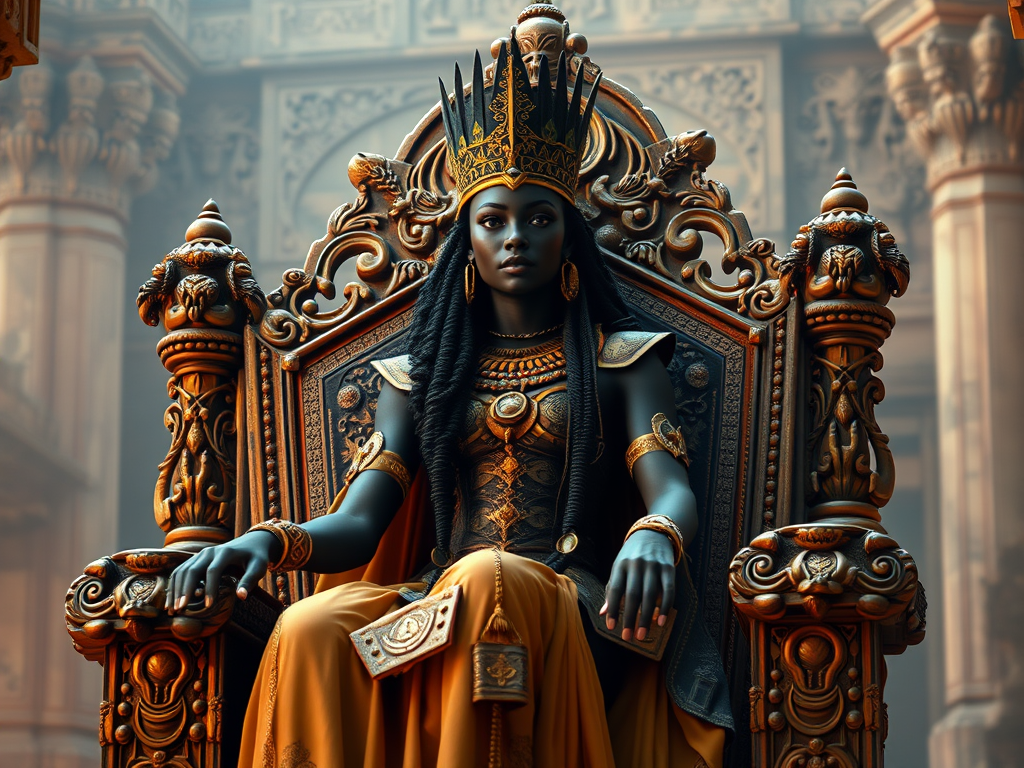
Tammuz, her son, is also associated with Christmas traditions because the Romans celebrated him on December 25th. One aspect of Tammuz worship that was transferred from Babylon to Rome was the construction of the Christmas tree, which was condemned in Jeremiah. Tammuz is also mentioned in Ezekiel 8:14 as being the one for whom the women wept.
Ishtar was crowned Queen of Heaven because she claimed that Nimrod had risen from the dead as the sun god and divinely impregnated her while she was sleeping, resulting in Tammuz. She ultimately claimed Nimrod was a reincarnation of her newborn son, Tammuz. However, the Babylonians were too oblivious to notice that she was in the early stages of pregnancy before her husband Nimrod died.
Read more: The Pagan Origin of White Weddings and Birthday Celebrations
Many scholars believe She may have made up this lie to maintain her position of authority because she feared Nimrod’s death would make her unpopular. This is how she rose to become the world’s most powerful woman, and she remains so to this day. Today, she is referred to as the Virgin Mary. Even your favorite celebrities have sung for her using Ave Maria. Her image is even featured on Starbucks coffee.
In her honor, graven images of a mother holding her child, Tammuz, were erected throughout Babylon. Worshippers held ceremonies in her honor, and women would imitate her during prayers. It was during her procession that the tradition of proposing love while kneeling and holding a ring began.

During Semiramis’s procession, priests carried Ishtar statues, wafting incense. Worshippers knelt, offering rings and necklaces, confessing sins first. A man would kneel, ring in hand, confess flaws, promise devotion, and ask Semiramis – Queen of Heaven – to bless his union. He’d then present the ring to his beloved. The people said Semiramis blessed the first such union, birthing the tradition.
This was a traditional procession to please the Queen of Heaven, Ishtar, so she could bless the congregation. Ishtar became a goddess of the entire Babylon, while her son Tammuz became the Sun of God, inheriting the title from his father, Nimrod, who was the Sun god. Her cult worship became so popular that people started flocking to her temple to seek divine blessings.
When Babylon fell to the Persians in 539 BCE, the Ishtar religion relocated to Rome, where Emperor Constantine assimilated them into Christianity and Catholicism. At the first Council of Nicaea, Constantine combined Ishtar Religion with Christianity in an attempt to bring pagans and Christians together and increase his popularity.
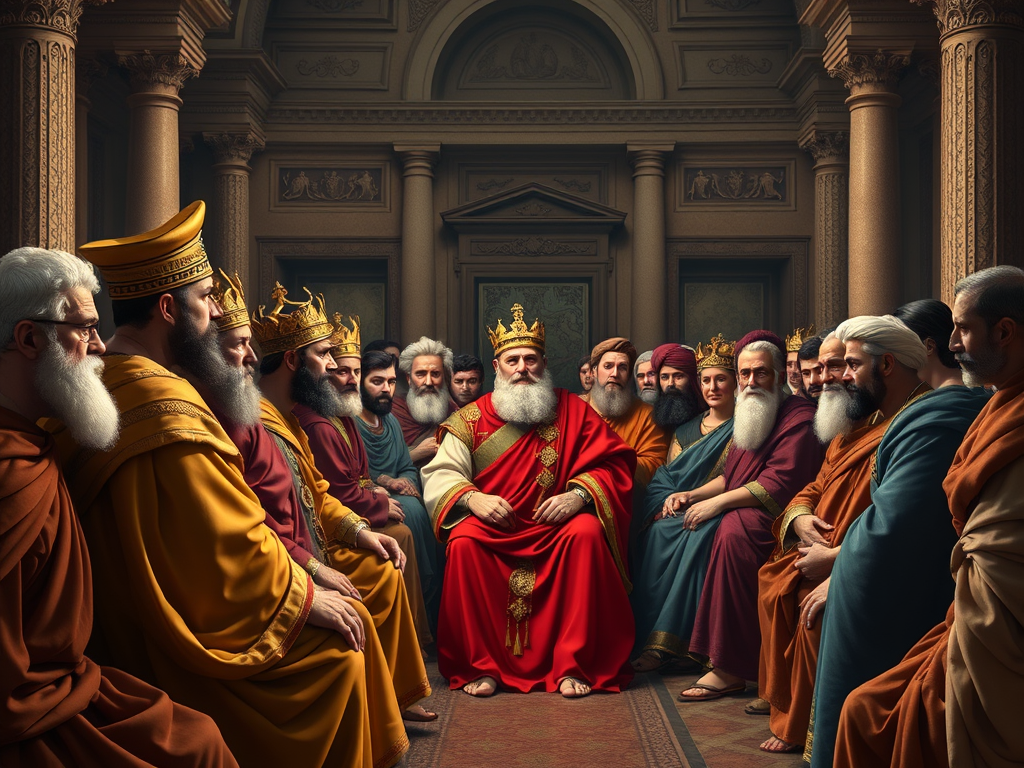
As a result, Roman men began to use the act of kneeling to express their desire to marry a woman in honor of Babylon’s Queen. When Rome fell, these hybrid practices spread across Europe. This explains why this practice is more common in Europe than elsewhere. Today, kneeling to propose to a woman has become a marriage symbol of modern marriage.
Sources
- Jeremiah 7:18, 44:17-19, 44:25 (Bible passage)
- Ezekiel 8:14 (Bible passage)
- The Council of Nicaea. (n.d.). In Encyclopedia Britannica. Retrieved from https://www.britannica.com/event/Council-of-Nicaea
- Constantine I. (n.d.). In Encyclopedia Britannica. Retrieved from https://www.britannica.com/biography/Constantine-I
- Ishtar. (n.d.). In Encyclopedia Britannica. Retrieved from https://www.britannica.com/topic/Ishtar
- Tammuz. (n.d.). In Encyclopedia Britannica. Retrieved from https://www.britannica.com/topic/Tammuz-Mesopotamian-god





 Makewetalknow
Leave a comment