
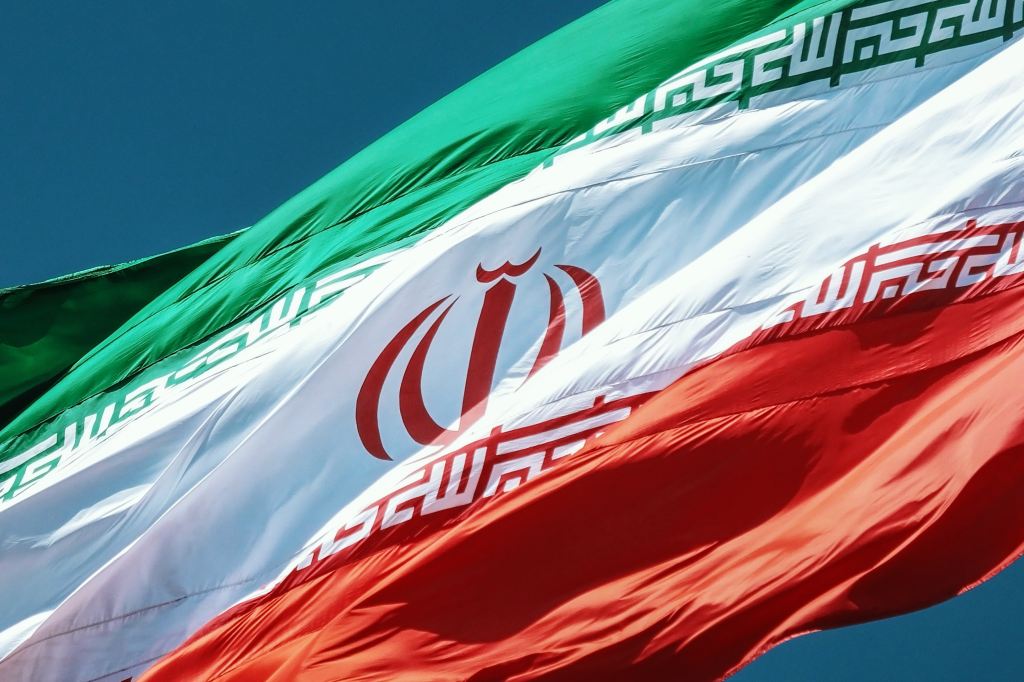
The region now known as the Islamic Republic of Iran has undergone numerous name changes throughout history. One notable alias is the Persian Empire. Originally, “Persia” referred to the Achaemenid Empire’s geographical territory, which was mistakenly believed to encompass the entire landmass. This naming convention is not surprising, as ancient empires often adopted similar names.
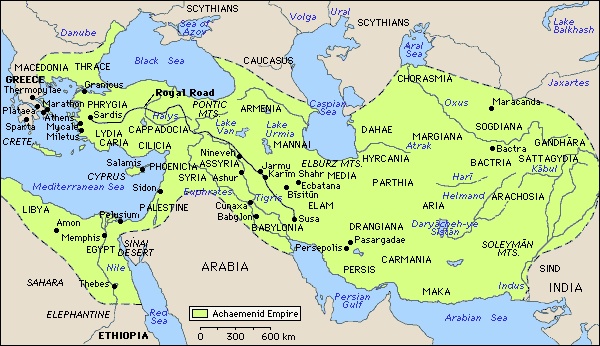
Interestingly, the Iranian language, Farsi, also originates from the name “Persia.” However, the ancient Persians themselves didn’t refer to their empire as “Persia.” Instead, they called it “Ariya Ehran” or “Iranshahr,” meaning “Land of the Aryans,” a name that held great significance among its inhabitants.
It is interesting to note that the current Iranian population are not descended directly from the ancient Persians. The pre-Islamic Persian civilization was a diverse, sprawling entity that encompassed present-day Egypt, Syria, Afghanistan, and beyond. This shared heritage is why people from these countries typically claim Persia as their ancestral homeland.
The name “Iran” has undergone a significant transformation, unlike countries like Germany or China, which have retained their names. This raises two questions: when did the name change occur, and when did the term “Iran” become the commonly accepted term for the region formerly known as Persia?
The recent shifts can be attributed to the then-Shah of Iran, Reza Shah Pahlavi, who was Iran’s ruler at the time. Reza Shah urged the international community to drop “Persia” and use “Iran” instead. In 1935, he formally requested that foreign delegations use the term “Iran” in formal correspondence.
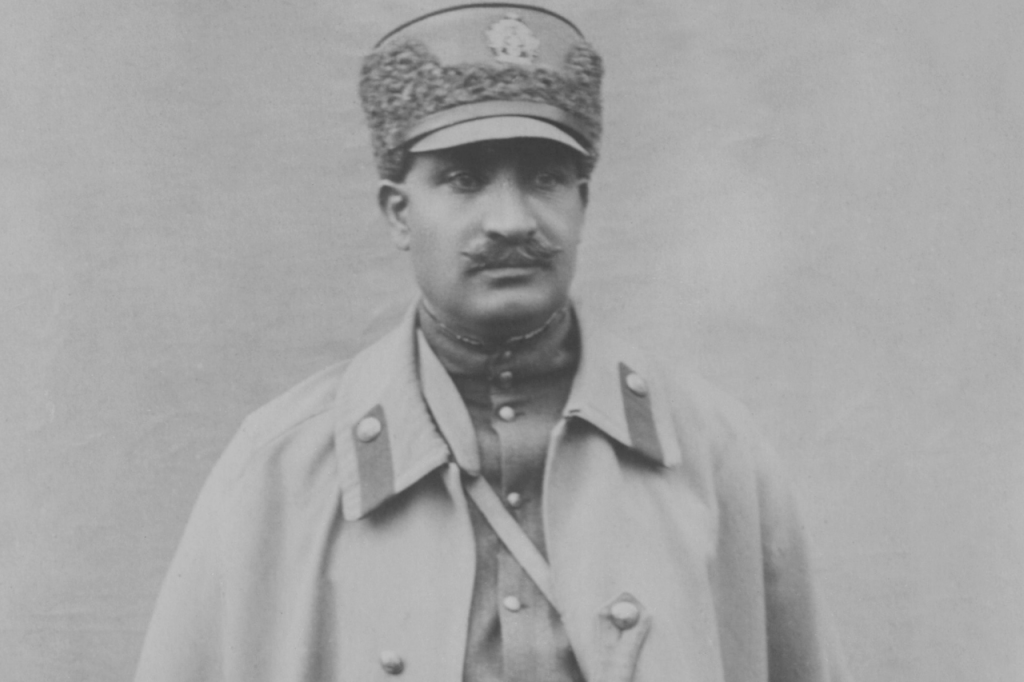
Reza Shah’s decision to change the name from “Persia” to “Iran” aimed to create a more unified and centralized state. However, he faced international resistance, as the name “Persia” had been deeply ingrained in global culture and diplomacy.
In 1935, Reza Shah requested that the international community, including League of Nations member states, refer to his country as “Iran” instead of “Persia”. Non-compliance, he warned, would be seen as a violation of Iran’s sovereignty. The US and Nazi Germany supported the name change, while the UK opposed it.
Read more: The reason some parts of Croatia are split by Bosnia
Undeterred by British reluctance, the Iranian government pressed on with its modernization plans, including a significant overhaul of its financial system. One key change was renaming the Anglo-Persian Oil Company to the Anglo-Iranian Oil Company. However, the British government continued to refer to the country as “Persia”, citing concerns that “Iran” might be confused with “Iraq”, leading to misinterpretations in diplomatic correspondence.
Mohammed Reza Shah’s official visit to London sparked a diplomatic dispute. Winston Churchill, the British Prime Minister, refused to acknowledge the monarch as the Shah of Iran, insisting on using the traditional name “Persia” instead.
The incident sparked outrage among Iranian diplomats and officials. Churchill directed his ministers and commanders to use “Persia” in correspondence to avoid confusion with Iraq, which could lead to logistical errors. However, Mohammed Reza Shah surprisingly showed indifference, stating that both “Iran” and “Persia” were acceptable.
Both names were permitted because he wished to establish friendly relations with the British government. Mohammed Reza Shah’s decision to allow both “Iran” and “Persia” sparked outrage among Iranian citizens, who felt he was yielding to British pressure. They saw this as a compromise on their country’s sovereignty and identity.
By the mid-1970s, Iran’s growing international influence led to the widespread adoption of the name “Iran”. The British government, among others, eventually dropped “Persia” in favour of the new name. As a result, the term “Persian Empire” became largely historical, referring to a ancient empire that existed for approximately 1,400 years.
Although “Iran” has gained widespread acceptance, some scholars of Iranian history still argue that the country should have retained its historical name, “Persia”.
Photo by sina drakhshani on Unsplash




 Makewetalknow
Leave a comment