
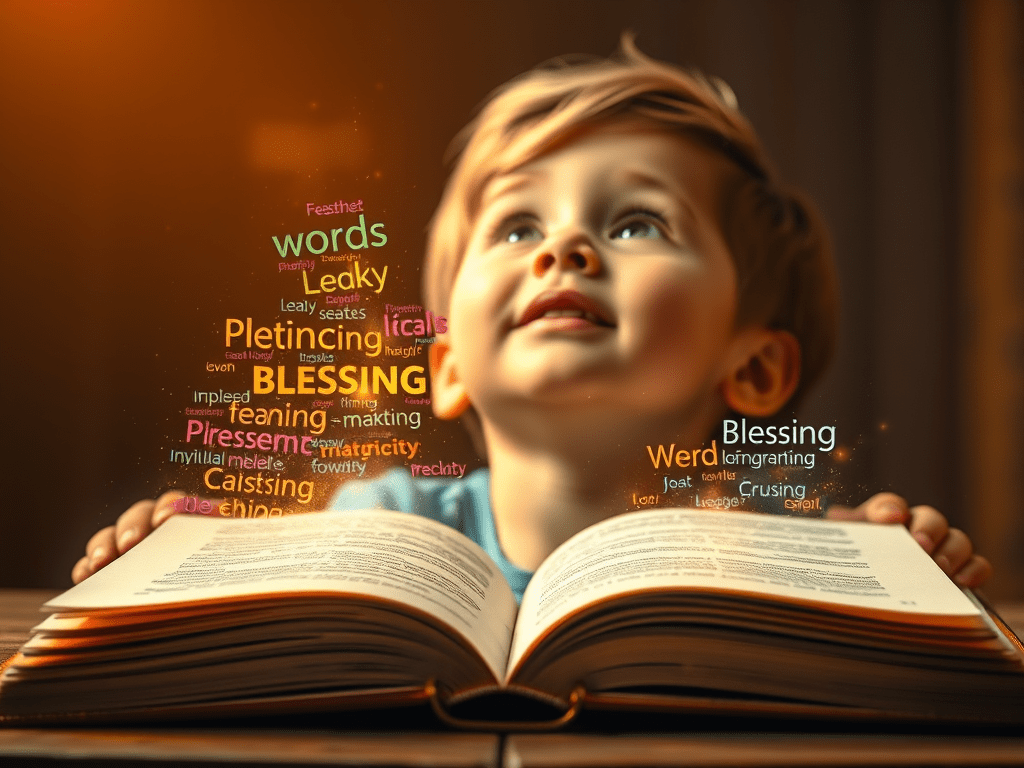
Has it ever occurred to you to consider how your words affect other people? The way we talk to each other can have a big impact on how others see things, how they relate to each other, and even how real things are for them.
Negative language has the potential to cause harm to both ourselves and others. For instance, children are very vulnerable to the expectations and labels we place on them. When we refer to a child as “stupid,” they may begin to perceive themselves in that manner, accepting the negative identity we have assigned to them. These things can hurt their confidence and sense of self-worth for a long time.
Positive language, on the other hand, can have a hugely positive effect on other people. We encourage positivity and self-confidence in our children when we speak positively to them. Positive language can help all of our relationships, not just our interactions with kids. It can even help us feel better about ourselves. So, how can we cultivate mindful communication?
Cultivating mindful communication starts with self-reflection. Have a closer look at your language patterns and how they impact others. Ask yourself the most important thing. Are you someone who often criticizes or uses negative language? Or do you use your words to encourage and uplift others?
When you know more about your habits, you can change how you talk to people. Try to avoid hurtful words, give constructive feedback, and use positive language. Everyone will benefit from a more encouraging and supportive atmosphere if you do this.
Conclusion
Mindful communication is a powerful tool that can create a more positive and supportive environment. By being more aware of our language patterns and practicing mindful communication, we can strengthen our relationships, foster positivity, and even shape our reality. Remember, the words we use have the power to uplift or harm; let’s choose to use them wisely.




 Makewetalknow
Leave a comment